For centuries, the art of architecture has been defined by a fundamental disconnect the chasm between the grand vision in an architect’s mind and the client’s ability to perceive it. Architects have wrestled with two-dimensional blueprints, intricate physical models, and, more recently, sophisticated 3D computer models. Yet, these tools consistently fall short of conveying the true essence of a space: its scale, its light, its atmosphere, and its emotional resonance. Clients are often asked to make multi-million dollar decisions based on abstractions, leading to misunderstandings, costly change orders, and a diluted final product.
This long-standing industry challenge is now meeting its revolutionary solution. We are standing at the precipice of a new era, not just with Virtual Reality, but with a specific, transformative application of it: the VR architect’s mind-melding design tool. This is not merely a new piece of software; it is a paradigm shift in how we conceive, collaborate, and construct our built environment. It is a bridge that closes the imagination gap, allowing architects and clients to literally step into the same dream.
A. Beyond Blueprints: The Historical Hurdles of Architectural Visualization
To fully appreciate the revolution, one must first understand the limitations of traditional tools.
A. The Tyranny of the Two-Dimensional Plan:
Blueprints and technical drawings are a language unto themselves. While essential for construction, they are often indecipherable to the layperson. A client looking at a floor plan must perform a mental gymnastic feat to translate lines and symbols into walls, doors, and living spaces. The sense of volume, the flow between rooms, and the quality of light are entirely absent.
B. The Fragile Illusion of Physical Models:
Physical scale models have been the gold standard for client presentations for decades. They provide a tangible, three-dimensional object to admire. However, they are static, expensive, and time-consuming to create. A client cannot walk through a 1:50 scale model. They cannot experience the view from a window or understand how sunlight will traverse the living room at 4 PM in December. Any design change necessitates a rebuild, often from scratch, stifling creative iteration.
C. The Sterile Nature of 3D Renders:
Computer-generated imagery (CGI) and fly-through animations marked a significant step forward. They offered photorealistic, albeit pre-rendered, glimpses of a project. The problem? They are cinematic, not interactive. The client is a passive observer, watching a predetermined path. They cannot decide to turn left instead of right, look up at the ceiling, or move a piece of furniture to see how it feels. The perspective is that of the architect or animator, not the future occupant.
These traditional methods created a “trust me” dynamic, where the client had to take a leap of faith. The VR mind-melding tool shatters this dynamic, replacing it with a “experience it with me” collaboration.
B. Deconstructing the Mind-Melding Tool: Core Components and Functionalities
The term “mind-melding” is intentionally chosen. This technology goes beyond simple visualization; it creates a shared, immersive cognitive space. Its power is derived from a synergy of several advanced components.
A. Real-Time Rendering Engines: The Digital Heartbeat:
At the core of any VR design tool is a powerful real-time rendering engine, similar to those used in top-tier video games. Engines like Unreal Engine and Unity are now capable of producing visuals that are indistinguishable from reality, with dynamic lighting, realistic materials, and complex physics. This allows for instant visual feedback. When an architect moves a wall or changes the texture of the floor, the change is reflected instantly in the VR environment, with no lag or pre-rendering required. This immediacy is crucial for fluid, creative exploration.
B. Intuitive VR Interface and Gesture Controls: Architecting in Thin Air:
Putting on a VR headset is one thing; being able to design within it is another. These advanced tools feature intuitive interfaces that allow the architect to manipulate the digital model using hand controllers or even gesture recognition. Imagine grabbing a window and resizing it with your hands, pulling a roof into a new slope, or “painting” a new brick texture onto a wall. This direct, tactile manipulation brings back the intuitive feel of physical model-making but with the infinite flexibility of the digital realm.
C. Multi-User Collaborative Virtual Environments: The Shared Dream:
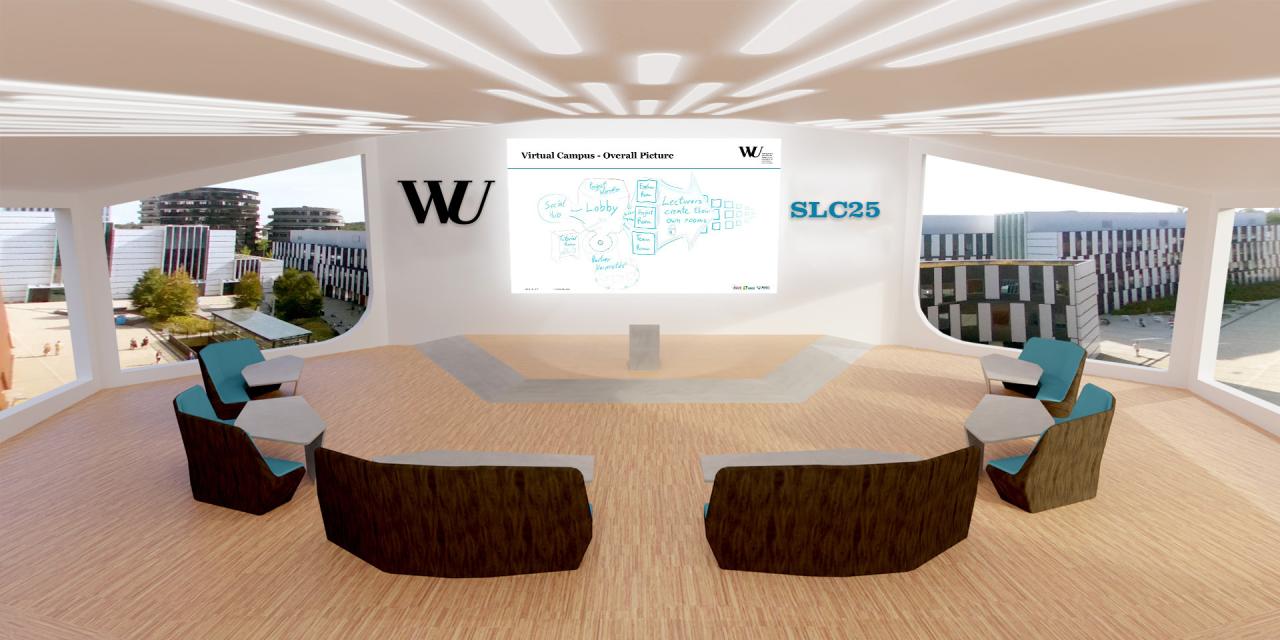
This is the feature that truly enables the “mind-meld.” The VR space is not a solitary experience. Multiple users, from anywhere in the world, can don their headsets and inhabit the same virtual model simultaneously. The architect, the client, the interior designer, and the structural engineer can all stand together in the unfinished building. They can see each other’s avatars, point to specific details, and have natural conversations. A client can say, “This ceiling feels too low,” and the architect can, in real-time, adjust its height by a foot, allowing everyone to immediately experience the difference. This collaborative power is unprecedented.
D. Integrated Data and Biometric Feedback: The Quantifiable Experience:
The most sophisticated iterations of this tool are beginning to integrate live data and biometrics. Building information modeling (BIM) data can be accessed within VR, allowing a user to click on a virtual HVAC duct to see its model number or check the fire-rating of a wall. Furthermore, some experimental systems are incorporating eye-tracking and even basic biometric sensors. By analyzing where a client’s gaze lingers or monitoring their heart rate as they experience a space, architects can gather objective data on human responses, moving design decisions from subjective opinion to evidence-based creation.
C. The Tangible Workflow Transformation: From Concept to Construction
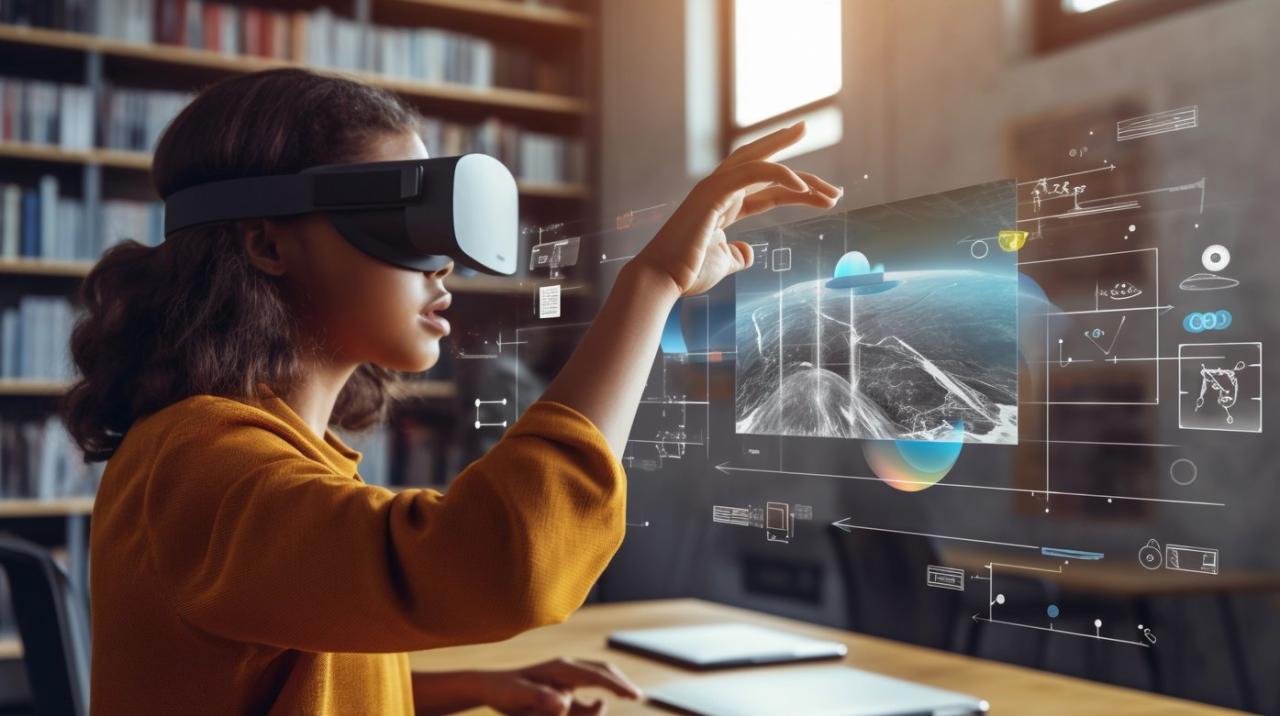
The impact of this tool is not theoretical; it fundamentally rewires the architectural workflow for the better.
A. The Ideation and Conceptual Design Phase:
Instead of sketching on paper or a tablet, the architect can begin building forms in an immersive 3D space. They can block out the massing of a building at a 1:1 scale, understanding its proportions from a human perspective from the very first moment. This leads to more human-centric and spatially intelligent initial concepts.
B. The Client Presentation and Collaborative Revision Phase:
This is where the tool pays for itself. Client presentations are transformed from a slide show into an experience. The client doesn’t just see their new home; they live in it for the first time. They can test the flow from the kitchen to the dining room, assess the view from the bathtub, and understand the spatial relationship between the garden and the living area. Feedback becomes specific, actionable, and immediate. “I’d like the window to be larger” is a request that can be visualized and agreed upon in minutes, not weeks.
C. The Coordination and Clash Detection Phase:
In a multi-user VR session, the entire design team can identify problems long before ground is broken. The structural engineer can see that a beam is interfering with the architect’s desired ceiling design. The MEP (Mechanical, Electrical, Plumbing) coordinator can ensure that all systems fit within the allocated spaces without conflict. Identifying and resolving these “clashes” in the virtual world saves enormous amounts of time, money, and materials that would have been wasted on rework during construction.
D. The Marketing and Sales Phase for Developers:
For real estate developers, this technology is a marketing powerhouse. They can offer potential buyers a virtual walkthrough of an apartment that hasn’t even been constructed. The buyer can customize finishes, furniture layouts, and lighting schemes in real-time, forging a powerful emotional connection to the property and significantly accelerating sales cycles.
D. Overcoming the Obstacles: Challenges on the Path to Ubiquity
Despite its immense potential, the widespread adoption of VR mind-melding tools faces several hurdles.
A. The High Initial Cost of Entry:
A fully-fledged VR design setup requires a significant investment: high-end VR headsets, powerful gaming-grade computers, professional software licenses, and potentially dedicated space for VR use. For smaller architectural firms, this cost can be a barrier, though it is rapidly decreasing as the technology becomes more mainstream.
B. The Technological Learning Curve:
Architects are trained in traditional design software. Transitioning to a fully immersive VR workflow requires learning new skills and a new way of thinking about design. Firms must invest not only in hardware but also in training and a period of adjusted productivity as their teams climb the learning curve.
C. Addressing the “VR Sickness” Phenomenon:
A portion of the population is susceptible to simulator sickness, a form of motion sickness induced by VR experiences. While modern headsets with high refresh rates and low latency are mitigating this issue, it remains a consideration, especially for client presentations. Designing comfortable, teleportation-based movement systems within the virtual environment is crucial.
D. The Question of Haptic Feedback:
While users can see and manipulate the virtual world, the sense of touch is largely absent. A user can move a virtual chair, but they cannot feel its weight or texture. The development of sophisticated haptic gloves and suits is underway, but affordable, consumer-ready haptic technology is still on the horizon, limiting the full sensory immersion.
E. Gazing into the Virtual Crystal Ball: The Future of Architectural VR
The current state of VR design tools is merely the foundation. The future promises even more profound integrations.
A. The Convergence with Augmented Reality (AR):
The next logical step is the blending of VR with Augmented Reality. Imagine an architect and client standing on an empty construction site. Through AR glasses, they can see the fully rendered building superimposed onto the real world, allowing them to assess its context, sightlines, and solar orientation with perfect accuracy.
B. AI-Powered Generative Design within VR:
Artificial Intelligence will become a collaborative partner inside the virtual space. An architect could voice a goal: “Optimize this room for morning light and privacy.” The AI could then generate several design options on the fly, which the architect and client can then step into and evaluate immediately, dramatically accelerating the optimization process.
C. Direct-to-Fabrication and Construction Robotics:
The highly detailed and data-rich virtual model will seamlessly connect to the construction phase. The finalized VR model will be able to generate instructions for automated construction machinery and 3D printers, creating a direct digital thread from the initial immersive idea to the final physical structure, minimizing errors and inefficiencies.
Conclusion: A New Renaissance for Architecture
The VR architect’s mind-melding design tool is far more than a novel gadget. It is a foundational technology that is redefining the very soul of the architectural profession. It restores empathy and human experience to the center of the design process, replacing abstraction with immersion and speculation with certainty. By allowing us to build, explore, and refine our designs in a shared virtual world, we are not just improving efficiency; we are elevating the quality of the spaces we create. We are ensuring that the building that eventually rises from the ground is not a compromise or an interpretation, but a perfect realization of a shared vision a dream built, first in silicon, and then in steel and stone.