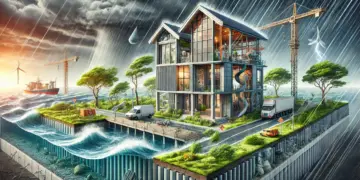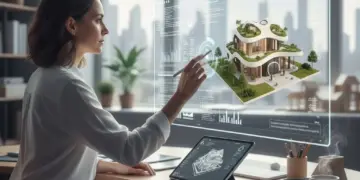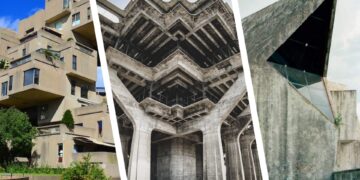
Imagine a home that breathes, a structure that responds to its environment like a living organism, and perhaps most astonishingly, one that can heal its own wounds. This is not a scene from a science fiction novel; it is the tangible future of architecture, material science, and ecological design. The concept of a bio-integrated home represents a paradigm shift, moving away from the static, inert buildings of the past towards dynamic, interactive, and life-sustaining structures. At the forefront of this revolution is a visionary project: a residence designed by a pioneering architect that doesn’t just exist within its ecosystem but actively participates in it, capable of regenerating itself and nurturing its inhabitants. This is the story of how biology and building are merging to create a self-healing sanctuary.
The very foundation of this architectural philosophy rests on a simple yet profound principle: collaboration with nature, rather than domination over it. For centuries, human construction has been a process of extraction and imposition. We quarry stone, fell trees, and process materials, assembling them into forms that often fight against their natural surroundings. They degrade, require constant maintenance, and create a barrier between the inside and the outside. The bio-integrated home seeks to dissolve this barrier. It is conceived as a symbiotic entity, a system that benefits from and contributes to the local ecology. This approach draws inspiration from biomimicry the practice of emulating nature’s time-tested patterns and strategies. From the passive cooling of a termite mound to the structural efficiency of a spider’s web, nature provides a blueprint for building that is efficient, resilient, and sustainable.
A. The Core Principles of Bio-Integrated Architecture
To fully appreciate the marvel of a self-healing home, one must first understand the core principles that underpin its design. These are not merely aesthetic choices; they are functional, interconnected systems that work in concert.
A. Biomimicry and Generative Design: This is the first and most crucial layer. Architects and engineers study biological organisms and ecosystems to solve complex human problems. For instance, the home’s ventilation system might be modeled after the lungs of a mammal, allowing for natural, low-energy air exchange. The building’s shape could be derived through generative design algorithms that simulate evolutionary pressures, resulting in a form that is perfectly suited to withstand local wind patterns, maximize solar gain, or collect rainwater with optimal efficiency.
B. Living Building Materials (LBMs): This is where the concept of “self-healing” becomes a physical reality. Researchers are developing a suite of materials that possess biological properties. The most prominent example is self-healing concrete, which is infused with limestone-producing bacteria (such as Bacillus pseudofirmus) that lie dormant within the concrete matrix. When cracks form and water seeps in, the bacterial spores germinate, consume nutrients (often calcium lactate), and produce calcite, effectively sealing the crack. This not only prolongs the structure’s life but also prevents corrosion of the steel reinforcement within.
C. Closed-Loop Systems: A true bio-integrated home operates like a forest ecosystem, where waste is a resource. This involves sophisticated systems for water, energy, and waste management. Rainwater is harvested, filtered, and reused. Blackwater is treated on-site through constructed wetlands or anaerobic digesters, turning sewage into nutrient-rich fertilizer and biogas for cooking. The home generates all its own energy through integrated solar panels, small-scale wind turbines, and even bio-voltaic systems that generate electricity from plant-based processes.
D. Responsive and Adaptive Intelligence: The home is embedded with a network of sensors that continuously monitor both the internal and external environment tracking temperature, humidity, air quality, light levels, and even structural stress. This data is processed by a central “brain” that can adjust the building’s systems in real-time. Smart windows tint to control solar heat gain, automated shading systems deploy to provide cooling, and interior layouts can adapt to the changing needs of the occupants.
B. Deconstructing the Self-Healing Mechanism: A Closer Look
The ability of a building to “heal itself” is its most magical feature. But how does this work in practice across different materials and systems? Let’s delve deeper into the science.
A. The Magic of Self-Healing Concrete: The development of this material is a game-changer for global infrastructure. The process involves encapsulating the bacteria and its food source (a precursor compound) in tiny, biodegradable capsules that are mixed into the concrete. As long as the concrete remains intact, the capsules are undisturbed. The moment a crack appears, the capsules at the crack site rupture. Water and air activate the bacteria, which then begin their work of precipitating calcite. Within a few weeks, even hairline cracks can be completely filled, restoring the concrete’s structural integrity and waterproofing. This technology significantly reduces maintenance costs and increases the lifespan of structures from decades to centuries.
B. Mycelium Networks: The Wood-Wide-Web as a Structural Component: Mycelium, the root-like structure of fungi, is being explored as a sustainable and dynamic building material. Grown into specific shapes, mycelium composites can form insulating panels, bricks, and even furniture. But beyond its static form, researchers are investigating how living mycelial networks within walls could act as a sensory system. These networks can detect minute stresses and, under the right conditions, grow to reinforce weakened areas. Furthermore, mycelium has a natural ability to break down toxins, contributing to improved indoor air quality.
C. Self-Repairing Polymers and Coatings: Beyond structural elements, the surfaces of a bio-integrated home can also possess regenerative properties. Scientists have developed polymers that can repair scratches or cuts when exposed to heat or light. Imagine a roof coating that can “knit” itself back together after a hailstorm, or an interior wall finish that smooths over scuff marks over time. These materials often work through a process of molecular re-arrangement or via microcapsules containing a healing agent, similar to the concrete technology.
D. Biological Facades and Green Walls: While not “self-healing” in the same sense, a building’s facade covered in a carefully selected layer of vegetation acts as a living, breathing skin. This green layer protects the underlying structure from UV radiation and extreme temperature fluctuations, thereby reducing the rate of material degradation. If a plant is damaged, it can regrow. This living shield also manages stormwater, reduces the urban heat island effect, and provides a habitat for local wildlife.
C. A Tour of the Architect’s Visionary Bio-Integrated Home
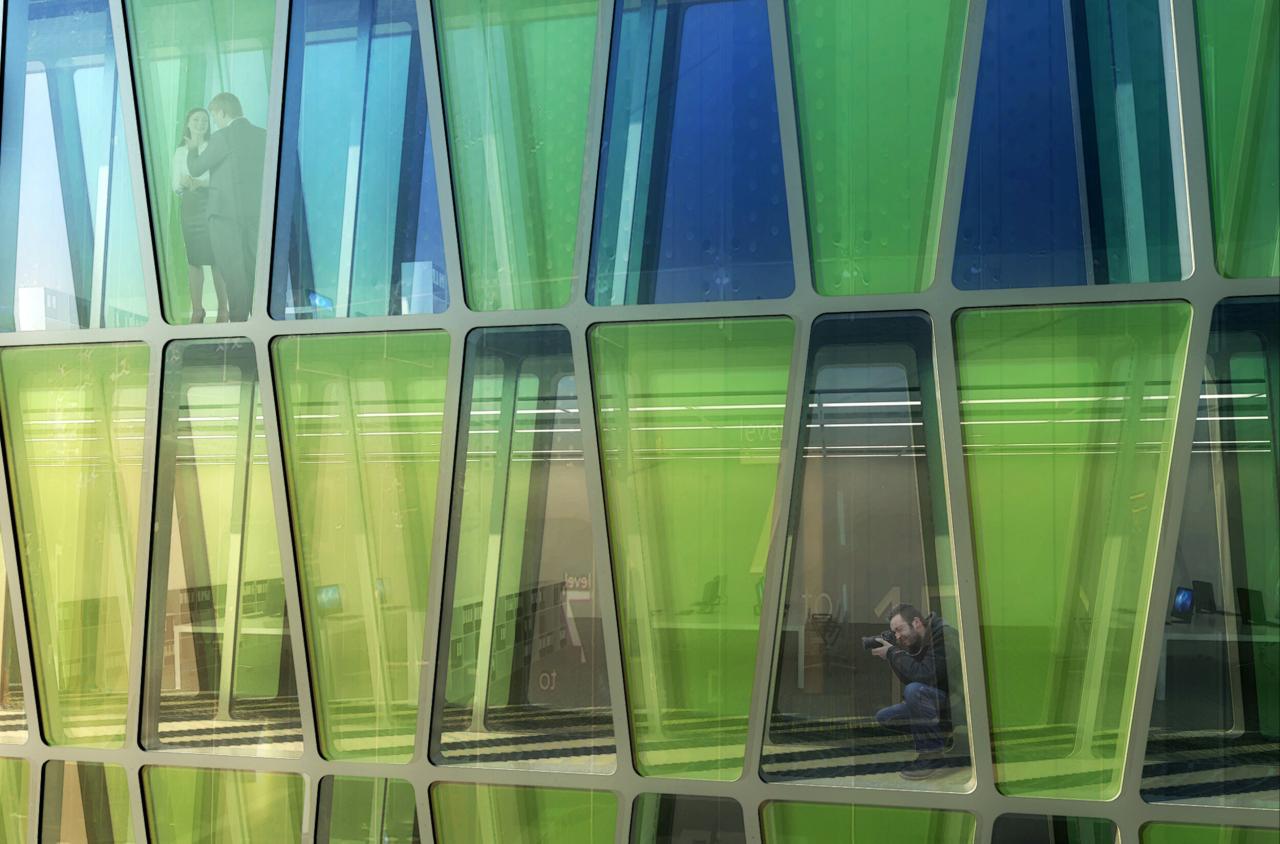
Let us now step inside the conceptual masterpiece created by our visionary architect. This home is not just a prototype; it is a fully realized manifesto of bio-integrated principles.
The Exterior: A Chameleonic Skin
From the outside, the home appears to emerge from the landscape. Its walls are not straight lines but flowing, organic curves, designed to channel wind and water efficiently. The facade is a mosaic of materials: sections of grown mycelium brick, panels of bio-reactive concrete, and vast, vertical gardens. The roof is a multi-functional surface, combining mosses for natural insulation, integrated solar shingles, and a funnel-like structure that directs every drop of rainwater into a subterranean storage cistern. Sensors are discreetly placed throughout, monitoring structural health and environmental conditions.
The Interior: An Ecosystem of Well-being
Upon entering, the air feels different cleaner and more vibrant. This is due to the advanced air purification system powered by the home’s living walls and a dedicated algae bioreactor. Algae, housed in transparent panels, consume carbon dioxide from the indoor air and release oxygen through photosynthesis, all while producing biomass that can be harvested for other uses. The layout is fluid, with movable partitions that allow rooms to expand or contract based on need. The lighting is entirely dynamic, mimicking the natural progression of the sun throughout the day to support the circadian rhythms of the occupants.
The Core: The Home’s Beating Heart
Beneath the home lies its operational core. Here, the closed-loop systems hum with quiet efficiency. The rainwater harvested from the roof is filtered through a series of sand and UV filters before being stored. A compact anaerobic digester breaks down organic kitchen and human waste, producing methane for the kitchen stove and a liquid fertilizer for the vertical gardens. A bank of batteries, charged by the solar roof and a small vertical-axis wind turbine, ensures a constant and reliable power supply. This is the home’s metabolism, a perfectly orchestrated cycle of consumption and regeneration.
D. The Tangible Benefits: Why This Matters for Our Future
The value of such a home extends far beyond its technological novelty. It offers a blueprint for a more resilient, healthy, and economically sustainable way of living.
A. Unprecedented Environmental Resilience: By generating its own energy, managing its own water, and processing its own waste, the home operates completely off-grid. It is immune to utility price hikes and protected from regional infrastructure failures. Its self-healing properties make it exceptionally durable against the increasing frequency and intensity of extreme weather events driven by climate change.
B. A Radical Reduction in Carbon Footprint: The construction industry is one of the largest contributors to global carbon emissions. This home flips the script. It uses carbon-sequestering materials like mycelium and wood, and its long lifespan and minimal need for repairs or replacement drastically reduce its lifetime embodied carbon. It is not just carbon-neutral; it is carbon-negative.
C. Enhanced Human Health and Psychological Well-being: The connection between our built environment and our health is well-documented. The constant supply of fresh, purified air, the abundance of natural light, the presence of greenery, and the absence of toxic volatile organic compounds (VOCs) from synthetic materials create an environment that reduces stress, improves cognitive function, and promotes physical health. Living in a home that is alive fosters a deep, psychological connection to the natural world.
D. Long-Term Economic Advantages: While the initial investment in a bio-integrated home is higher than a conventional one, the long-term economics are compelling. The elimination of utility bills, drastically reduced maintenance costs, and the unparalleled durability of the structure result in significant savings over the building’s lifespan. It is an investment in permanence and independence.
E. The Challenges and the Road Ahead
For all its promise, the path to widespread adoption of bio-integrated, self-healing architecture is not without its obstacles.
A. Scalability and Cost: Currently, many of these technologies, particularly self-healing concrete and custom-grown mycelium materials, are expensive and difficult to scale for mass production. Widespread adoption will require significant investment in research and development to streamline manufacturing processes and bring costs down.
B. Regulatory Hurdles and Building Codes: Existing building codes and regulations were written for conventional, static materials. Introducing living, dynamic, and self-repairing systems presents a challenge for inspectors and regulators. A new framework for certifying the safety and longevity of these innovative materials and systems needs to be developed.
C. Public Perception and Acceptance: The idea of living with bacteria in our walls or fungi in our insulation can be unsettling to some. There is a significant need for public education to demystify the science and demonstrate the proven safety and benefits of these biological systems.
D. The Need for Interdisciplinary Collaboration: The creation of such homes requires a fundamental shift in the design process. Architects can no longer work in silos. They must collaborate closely with biologists, material scientists, mechanical engineers, and software developers from the very inception of a project. This demands a new model of education and professional practice.
Conclusion: A Living Legacy
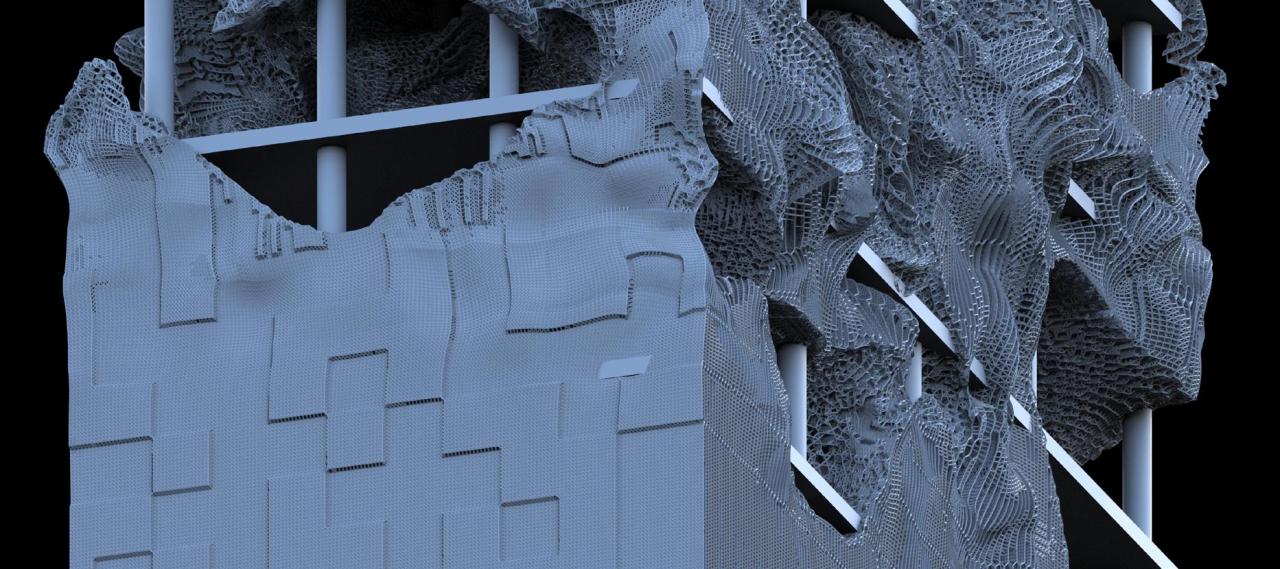
The architect’s bio-integrated, self-healing home is more than just a building; it is a statement of hope and a testament to human ingenuity. It proves that our future habitats need not be a burden on the planet but can instead be active contributors to its health. By learning from and partnering with the natural world, we can create structures that are not only beautiful and functional but also resilient, restorative, and alive. This is the new frontier of design a future where our homes don’t just shelter us, but heal with us, for us, and for the world we all share. The journey has just begun, and the blueprint for a truly sustainable and symbiotic existence is now being written, not on paper, but in living material.