
For millennia, human civilization has flourished along riverbanks and coastlines, drawn to the life-giving power of water. Yet, in the 21st century, this symbiotic relationship is being tested as never before. Climate change, with its rising sea levels and intensifying weather events, is turning these aquatic frontiers into zones of profound vulnerability. Coastal megacities and sprawling towns now face an existential threat from flooding, a challenge that demands a radical reimagining of urban life itself. The conventional approach of fighting water with higher walls and stronger levees is proving to be a costly, and often futile, battle. In response, a new vanguard of architects, engineers, and urban planners is championing a paradigm shift: instead of resisting water, we must learn to live with it. This is not a surrender, but an evolution a move towards designing and building the flood-proof city.
This comprehensive blueprint explores the multifaceted strategies and groundbreaking technologies that are shaping the future of urban resilience. It goes beyond mere survival, outlining a vision for cities that are not only safer but also more sustainable, livable, and economically robust.
A. The Inevitable Crisis: Why Our Current Urban Model is Failing
To understand the necessity of a radical new blueprint, we must first diagnose the flaws in our existing urban fabric. For over a century, modern urban development has been predicated on the idea of controlling nature. This has led to several critical failures:
A. The Impermeable City: We have paved over wetlands, forests, and grasslands—natural sponges that absorb rainfall. Concrete and asphalt create vast impermeable surfaces, forcing stormwater to rush overland, overwhelming drainage systems and causing destructive flash floods.
B. The Rigid Defense Mentality: Reliance on gray infrastructure like sea walls, levees, and flood barriers creates a false sense of security. These structures can, and do, fail catastrophically. Furthermore, they often exacerbate problems downstream or in adjacent areas, simply diverting the threat rather than solving it.
C. Subsiding Land and Rising Seas: In many coastal cities, excessive groundwater extraction is causing the land to sink (a process known as land subsidence), while simultaneously, global sea levels are rising due to thermal expansion and melting ice caps. This double jeopardy dramatically increases the frequency and severity of coastal flooding.
D. Economic and Social Vulnerability: Floods disproportionately impact the poorest communities, which are often situated in the most high-risk areas. The economic fallout from damaged infrastructure, business interruptions, and plummeting property values can cripple a city for generations.
The conclusion is inescapable: a defensive, rigid approach is no longer viable. The cities of the future must be dynamic, adaptable, and integrated with the water cycles that surround them.
B. The Foundational Philosophy: Designing with Water, Not Against It
The core principle of the flood-proof city is resilience, not resistance. This philosophy, often termed “Living with Water,” draws inspiration from ancient and indigenous practices while leveraging cutting-edge technology. It involves creating urban ecosystems that can absorb, store, and channel floodwaters without suffering catastrophic damage. This approach is built on several key pillars:
A. Multi-Layered Safety: Instead of a single line of defense, resilient cities employ multiple layers of protection, including spatial planning, green infrastructure, and, only where necessary, strategic hard defenses.
B. Adaptability and Flexibility: Urban systems and buildings are designed to be “water-compatible,” meaning they can function normally in dry conditions but can also safely accommodate and recover from periodic inundation.
C. Synergy with Nature: The design prioritizes and enhances natural processes, using ecosystems as vital infrastructure. This includes restoring mangroves, creating urban wetlands, and daylighting buried rivers.
D. Social and Economic Integration: Resilience is not just an engineering problem; it is a social contract. The blueprint involves community engagement, equitable access to protective measures, and economic models that incentivize private-sector participation.
C. The Architect’s Toolkit: A Multi-Pronged Strategy for Urban Resilience

Transforming this philosophy into a tangible reality requires a diverse and integrated set of strategies. The modern architect’s toolkit for flood-proofing is both innovative and expansive.
C.1. The Green Infrastructure Network: The City as a Sponge
The most significant departure from traditional models is the widespread implementation of green or “sponge” infrastructure. This network is designed to mimic natural hydrological cycles, managing water at its source.
A. Permeable Pavements: Replacing conventional asphalt and concrete with permeable alternatives allows rainwater to seep through the surface and recharge groundwater aquifers, drastically reducing surface runoff.
B. Bioswales and Rain Gardens: These are strategically placed, vegetated channels and depressions that collect, filter, and slowly release stormwater. They are the city’s capillaries, treating runoff naturally while adding aesthetic and ecological value.
C. Green Roofs and Living Walls: By covering rooftops and building facades with vegetation, cities can absorb significant amounts of rainfall, reduce the urban heat island effect, improve air quality, and provide insulation that lowers energy costs.
D. Urban Wetlands and Parks: Transforming underutilized land, particularly in floodplains, into constructed wetlands and multi-functional parks creates enormous water retention capacity. These spaces serve as recreational areas during dry periods and expand safely to hold floodwaters during storms.
C.2. Amphibious and Floating Architecture: Embracing Dynamic Flux
For areas that are chronically or predictably flood-prone, a revolutionary architectural approach is emerging: buildings that can float on the surface of floodwaters.
A. The Amphibious Foundation: An amphibious building rests on a fixed foundation, but is surrounded by a wet-proofed moat. Underneath, a buoyant platform is attached to the substructure. During a flood, as water levels rise, this platform lifts the entire superstructure of the building, allowing it to float safely on the surface. Guideposts ensure the building rises vertically and does not drift away. When the waters recede, the building settles back onto its original foundation.
B. Purely Floating Structures: These are permanently water-borne buildings, often anchored to flexible mooring posts that allow for vertical movement with tides and water levels. This concept is being used for entire floating neighborhoods, complete with houses, farms, and community centers, particularly in the Netherlands.
C. Wet-Proofing Materials: For both amphibious and conventional buildings in risk zones, the use of water-resistant materials is crucial. This includes using concrete, treated wood, stainless steel fixtures, and positioning electrical systems above predicted flood levels to minimize damage and enable faster recovery.
C.3. Strategic Blue Infrastructure: Smart and Adaptive Defenses
While the emphasis is on green solutions, there remains a role for engineered “blue” infrastructure. The key is that it must be smart, adaptive, and integrated.
A. Retractable Flood Barriers: Unlike permanent, obtrusive sea walls, these systems are deployed only when a flood threat is imminent. They can be rising gates, swing gates, or even inflatable dams that preserve views and public access to waterfronts during normal conditions.
B. Multi-Functional Levees and Dikes: Modern dikes are being redesigned as public amenities. A “multi-functional dike” might incorporate roads, parks, or commercial spaces on its landward side, while its seaward face can be engineered to dissipate wave energy and support marine ecosystems.
C. Underground Water Storage Tunnels and Plazas: In dense urban areas where surface space is limited, massive underground tunnels can be constructed to temporarily store billions of gallons of stormwater, preventing sewer overflows. Above ground, “water plazas” are public squares designed to be inundated during heavy rain, turning a flood risk into a temporary public water feature.
C.4. Digital and AI-Powered Water Management: The Smart City Nervous System
A resilient city is a smart city. A network of sensors, satellites, and data analytics forms the digital nervous system that predicts, monitors, and manages flood risk in real-time.
A. Real-Time Sensor Networks: IoT (Internet of Things) sensors placed in rivers, sewers, and streets continuously monitor water levels, rainfall intensity, and soil moisture.
B. Predictive AI Modeling: Advanced artificial intelligence algorithms process this real-time data alongside weather forecasts, topographical maps, and historical patterns to predict flood events with high accuracy and lead time.
C. Automated Control Systems: This predictive intelligence can be linked to physical infrastructure. For example, an AI could automatically open and close retention gates, activate pumping stations, and even send public alerts to specific neighborhoods, creating a dynamic, responsive, and highly efficient defense network.
D. Case Studies in Resilience: Global Pioneers Leading the Way
This is not merely theoretical. Cities around the world are already implementing these radical blueprints with remarkable success.
A. Copenhagen, Denmark: The Cloudburst Management Plan
Following a catastrophic cloudburst in 2011 that caused over $1 billion in damage, Copenhagen embarked on one of the world’s most ambitious climate adaptation plans. The strategy revolves around a network of green streets, pocket parks, and underground tunnels that will channel excess rainwater away from critical infrastructure. Their “Tåstrup Park” is a prime example, transforming into a lake during heavy rainfall, protecting the surrounding community.
B. Rotterdam, The Netherlands: The Living Lab for Water
As a nation largely below sea level, the Netherlands has mastered water management. Rotterdam is a global showcase, featuring the iconic “Waterplein” (Water Square) Benthemplein, a public square that stores water in its basins during rainstorms. The city also promotes green roofs, floating pavilions, and has even constructed a floating dairy farm.
C. Bangkok, Thailand: The Park as a Sponge
Facing severe land subsidence and seasonal monsoon flooding, Bangkok opened the 11-acre Chulalongkorn University Centenary Park in 2017. This park is engineered to be a giant sponge. It has a sloping design that directs rainwater through wetlands and into a retention pond, which can hold up to one million gallons of water, demonstrating a powerful green solution in a dense tropical metropolis.
E. The Path Forward: Overcoming Barriers to Implementation
While the technology and designs exist, the path to building flood-proof cities is fraught with challenges that must be addressed.
A. Financial Hurdles and Innovative Funding: The initial capital investment for large-scale resilience projects is significant. Cities must explore innovative financing models, including green bonds, public-private partnerships (PPPs), resilience-based insurance discounts, and leveraging climate adaptation funds.
B. Policy, Zoning, and Governance: Outdated building codes and zoning laws that encourage development in floodplains must be reformed. A cohesive, long-term vision that transcends short political cycles is essential.
C. Public Awareness and Community Buy-In: A resilient city requires a resilient populace. Citizens must be educated about the risks and the benefits of new approaches. Participatory planning that involves local communities in the design process is critical for success and social equity.
D. Interdisciplinary Collaboration: Solving this complex problem requires breaking down silos. Architects, engineers, ecologists, urban planners, social scientists, and policymakers must work together from the inception of any project.
F. Conclusion: A Vision of a Safer, More Harmonious Urban Future
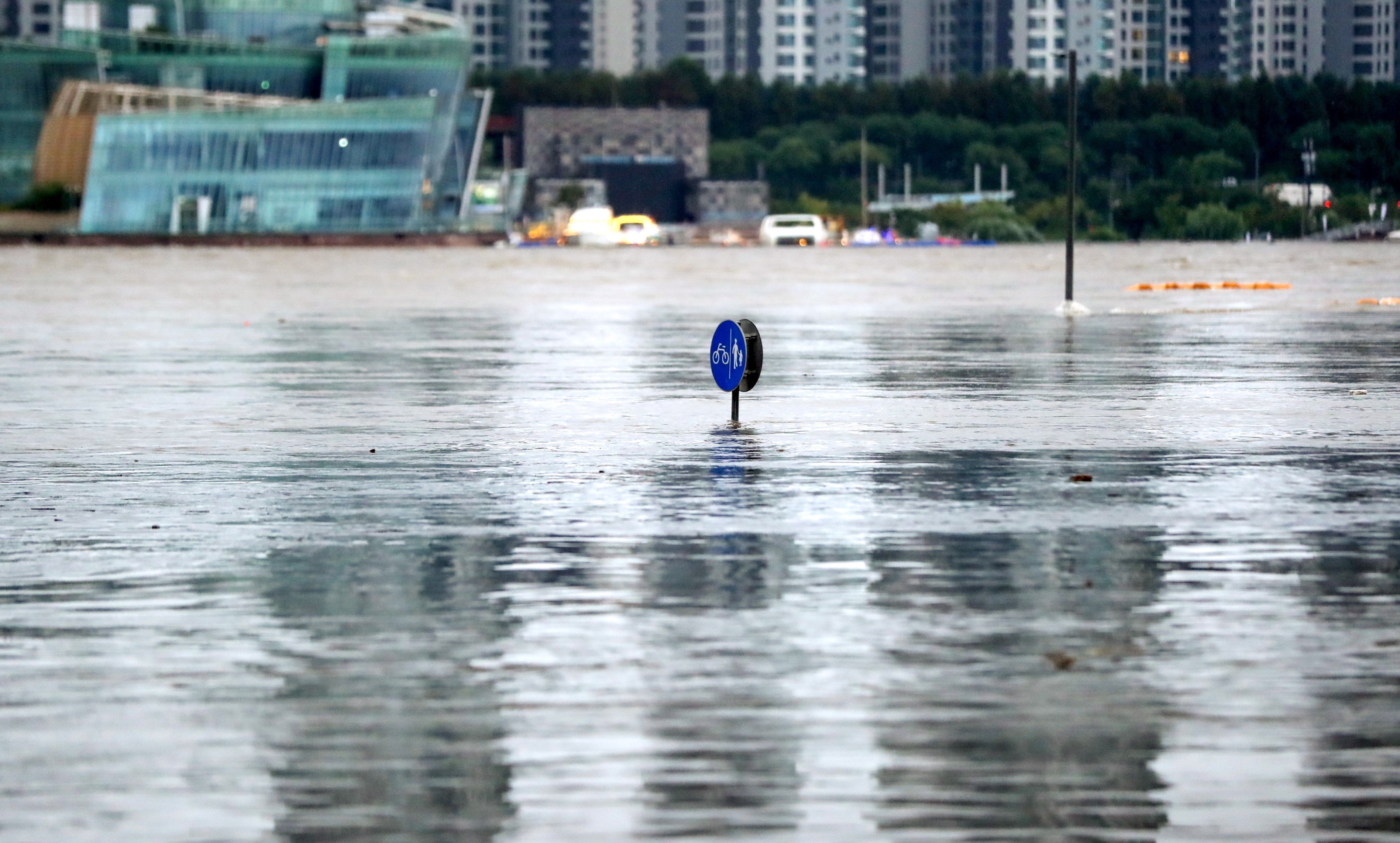
The blueprint for the flood-proof city represents far more than a set of engineering solutions; it is a profound redefinition of humanity’s relationship with the natural world. It is a move away from the hubristic attempt to dominate nature and towards a future of intelligent coexistence. By embracing strategies that work with hydrological cycles from sponge city principles and amphibious architecture to AI-driven management we can forge urban environments that are not only safer from the escalating threats of climate change but are also healthier, more biodiverse, and more economically vibrant.
The floodwaters are coming. The question is no longer if we can stop them, but how we will choose to live with them. The radical blueprint laid out by today’s visionary architects provides a hopeful, pragmatic, and necessary path forward. It is a call to action to build cities that are dynamic, adaptable, and truly resilient, ensuring that our urban centers can thrive for centuries to come, no matter what the future holds.