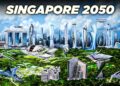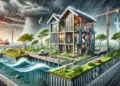
The relentless march of climate change, coupled with unprecedented population density in coastal regions, presents one of the most formidable challenges of the 21st century. Rising sea levels are not a distant threat but a present-day reality, threatening to displace hundreds of millions and submerge iconic cities. In the face of this existential crisis, a paradigm shift is emerging from the drawing boards of the world’s most visionary architects. Moving beyond mere defense mechanisms like sea walls and levees, they propose a radical, proactive solution: not just to live with water, but to live within it. This is the genesis of the “Architect’s Submerged City 2050 Plan,” a comprehensive and daring blueprint for a fully functional, self-sustaining metropolis floating upon or submerged within the ocean. This is not science fiction; it is a serious, multidisciplinary proposal that merges cutting-edge engineering, sustainable biology, and socio-economic innovation to reimagine the very concept of urban life.
This article delves deep into the intricacies of this visionary plan, exploring its core architectural principles, the technological marvels that would make it possible, the societal structures it would foster, and the profound challenges it must overcome to transition from a compelling concept to a concrete reality by the year 2050.
A. The Imperative for an Aquatic Metropolis: Why We Must Look to the Sea
The drive to build a submerged city is born from necessity, not mere novelty. Several converging global crises make the pursuit of such a project not just ambitious, but imperative.
A. The Rising Tide: Scientific consensus, led by organizations like the IPCC (Intergovernmental Panel on Climate Change), projects a global mean sea level rise of at least 0.5 to 1 meter by 2100 under even the most optimistic scenarios. However, some models suggest a rise of up to 2 meters is possible, which would inundate vast swathes of coastal land, displacing over 800 million people worldwide. Megacities like Shanghai, Mumbai, New York, and Lagos face catastrophic flooding. The Submerged City 2050 Plan offers a permanent solution, creating habitable space on the water, thereby alleviating pressure on drowning coastal settlements.
B. Coastal Overcrowding: Even without sea level rise, humanity is disproportionately clustered along coastlines. Over 40% of the world’s population lives within 100 kilometers of the coast. This leads to intense competition for land, skyrocketing real estate prices, and overburdened infrastructure. The oceans, which cover 71% of the Earth’s surface, represent the single largest frontier for urban expansion, offering a reprieve from land-based territorial disputes and spatial limitations.
C. Resource Scarcity: Traditional land-based cities are voracious consumers of finite resources. Freshwater is increasingly scarce, energy demands are soaring, and food production systems are straining under the weight of a growing population. A submerged city is designed from the ground up (or, rather, from the water up) to be a closed-loop system, where waste is minimized, water is harvested and recycled, energy is harnessed from the surrounding marine environment, and food is cultivated through advanced aquaculture.
D. The Ultimate Test of Resilience: By divorcing itself from unstable landmasses, a floating or submerged city could be engineered to be highly resilient to the terrestrial natural disasters that plague traditional cities, such as earthquakes and, to a certain extent, hurricanes (if designed with dynamic stability systems). It represents the pinnacle of adaptive urban design, creating a community that can not only survive but thrive in the face of environmental change.
B. The Architectural and Structural Marvel: Engineering a City on the Water
The most immediate question regarding a submerged city is, “How on Earth would it stay afloat and stable?” The answer lies in a multi-layered structural approach that combines proven maritime principles with futuristic materials science.
A. The Foundational Platform: A Symphony of Pontoon and Spar Buoy Systems. The city would not be a single, monolithic structure but a modular conglomerate of interconnected platforms. The primary foundation would likely utilize a hybrid of two technologies:
* Pontoon Platforms: These are large, hollow, buoyant structures, similar to those used for very large floating structures (VLFS) like floating airports or bridges. They provide a large, stable surface area for the main urban districts. Their modular nature allows for the city to be expanded, reconfigured, or even towed to a new location if necessary.
* Spar Buoy Substructures: For deeper, more stable anchoring and for the submerged components, the design would incorporate spar buoys long, cylindrical structures that float vertically in the water, weighted at the bottom for stability. These would act as the “roots” of the city, extending dozens of meters below the surface to counteract wave action, much like a deep-rooted tree withstands wind. These spars would house critical infrastructure, research labs, and even residential areas.
B. The Material of the Future: Self-Healing Bio-Concrete and Transparent Aluminum. The constant assault of saltwater, high pressure, and marine organisms demands revolutionary building materials.
* Self-Healing Bio-Concrete: A special concrete, impregnated with limestone-producing bacteria (such as Bacillus pseudofirmus), would be used for all submerged structures. When cracks form and water seeps in, the bacteria activate, consuming nutrients and producing limestone to seal the fissure autonomously, ensuring the long-term structural integrity of the city without constant human intervention.
* Transparent Aluminum (Aluminum Oxynitride): For the habitable sections located below the surface, this ceramic-based material offers the strength of bulletproof glass but with far greater durability. It would be used for observation domes, residential windows, and aquatic biomes, providing breathtaking, safe views of the marine environment while withstanding immense oceanic pressures.
C. The Dynamic Stability System: Countering the Ocean’s Fury. The ocean is a dynamic and often violent force. To ensure the comfort and safety of residents, the city would employ an advanced gyroscopic stabilization system. Massive, computer-controlled gyroscopes located within the central spars would constantly counteract the roll and pitch induced by waves and currents. This technology, an advanced version of what is used on modern ships and satellites, would keep the city level and stable even during severe storms, making the experience for residents akin to being on land.
C. The Lifeblood of the City: Energy, Food, Water, and Air
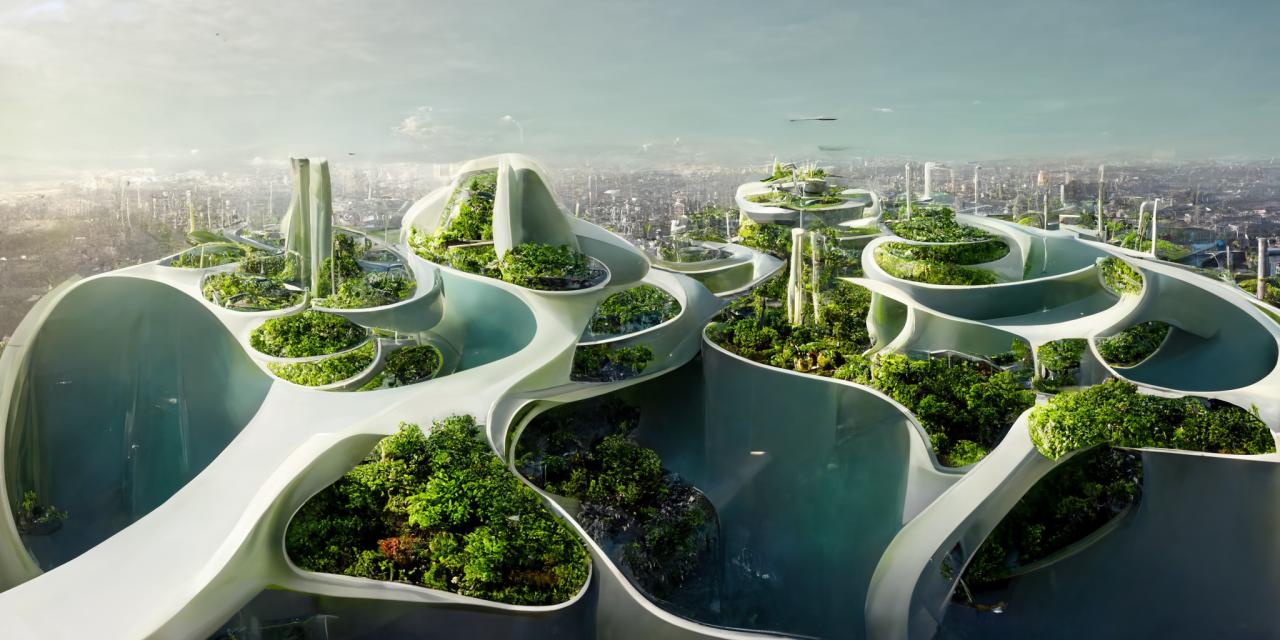
A city is more than its structures; it is a living, breathing organism. The Submerged City 2050 Plan envisions a model of ultimate sustainability, creating a near-closed-loop system for its vital resources.
A. Harnessing Marine Energy: A Multi-Source Approach. The city would tap into the immense energy potential of its surroundings, making it a net-zero or even net-positive energy producer.
* Ocean Thermal Energy Conversion (OTEC): This technology leverages the temperature difference between warm surface water and cold deep water to drive a turbine and generate electricity. It is a perfect, constant, and clean energy source for a tropical submerged city.
* Wave and Tidal Power: Arrays of underwater turbines would capture the kinetic energy of ocean currents and tides, while surface-based converters would harness the power of waves, providing a diverse and redundant energy portfolio.
* Solar and Wind: The vast, unshaded surface area of the city’s platforms would be covered with high-efficiency solar panels. Vertical-axis wind turbines, designed to be efficient and quiet, would complement the solar array, ensuring power generation during the night and cloudy periods.
B. The Closed-Loop Water Cycle: Harvesting, Recycling, and Producing.
* Atmospheric Water Generators: Large-scale systems would condense moisture directly from the humid maritime air, providing a primary source of fresh, clean drinking water.
* Desalination: Redundancy is key. Reverse osmosis desalination plants, powered by the city’s abundant renewable energy, would convert seawater into freshwater for all urban needs.
* Greywater and Blackwater Recycling: An advanced membrane bioreactor system would treat all wastewater to a potable standard. This closed-loop system would mean that water is used, cleaned, and reused continuously, minimizing the need for external input and eliminating ocean pollution.
C. Sustainable Food Production: The Age of Aquaponics and Cellular Agriculture. The city’s food supply would be a fusion of the most advanced agricultural methods.
* Vertical Aquaponics: Multi-story farms within specially designed surface domes would combine aquaculture (fish farming) with hydroponics (soilless plant cultivation). The nutrient-rich waste from the fish would fertilize the plants, and the plants would, in turn, filter and clean the water for the fish. This symbiotic system yields both protein and vegetables with a tiny fraction of the water and land required by traditional agriculture.
* Cultured Meat and Seafood Labs: To further reduce the environmental footprint, the city would feature laboratories producing cultured (lab-grown) meat and seafood. By cultivating animal cells directly, it provides a source of familiar protein without the ethical and environmental costs of industrial livestock farming.
* Algae and Kelp Farms: Surrounding the city, vast underwater farms would cultivate nutrient-dense seaweed, kelp, and microalgae. These would serve as a sustainable source of food, biofuel, and pharmaceuticals.
D. Atmosphere Management: The Breath of Life. For the submerged sections, maintaining a breathable atmosphere is paramount. Advanced life support systems, inspired by those used in spacecraft and submarines, would continuously monitor and regulate oxygen and carbon dioxide levels. Oxygen would be primarily produced through the electrolysis of water (splitting H₂O into O₂ and H₂), a process powered by surplus renewable energy. The CO₂ exhaled by residents would be scrubbed from the air and could be repurposed to enhance growth in the vertical farms.
D. The Socio-Economic and Governance Framework: Building a New Society
A project of this scale is as much a social experiment as it is an engineering one. It demands a complete rethinking of citizenship, economy, and governance.
A. A New Class of Citizen: Aquanauts and Pioneers. The initial inhabitants would not be random migrants but a carefully selected group of individuals engineers, marine biologists, doctors, teachers, and artists who possess the skills and mindset to build a new society. They would be modern-day pioneers, or “Aquanauts,” signing on for the challenge and opportunity of shaping a new human frontier.
B. The Economic Engine: A Hub for Blue Tech and Tourism. The city’s economy would be driven by its unique position and technological prowess.
* Blue Technology Research & Development: The city would become a living laboratory and global headquarters for companies specializing in marine robotics, renewable energy, sustainable aquaculture, and bio-materials.
* High-Value Tourism: It would be a premier destination for eco-tourists and luxury travelers, offering unparalleled experiences like underwater hotels, guided submersible tours, and marine research immersion programs.
* Pharmaceutical Prospecting: The biodiverse waters surrounding the city would be a rich source for bioprospecting discovering new marine-derived compounds for medicines, cosmetics, and industrial applications.
C. A Model of Direct Digital Democracy. With a smaller, tech-literate population, the city could pioneer a new form of governance. A blockchain-based digital platform could allow citizens to vote directly on key policy issues, from budget allocations to environmental regulations, ensuring a high level of transparency and civic engagement. A council of elected experts would manage day-to-day administration, but major decisions would be made by the community.
D. Culture, Education, and Well-being. Life in the submerged city would be a blend of high-tech convenience and profound connection to nature. Educational institutions would have unparalleled access to marine ecosystems for hands-on learning. Cultural life would be infused with themes of the ocean, inspiring new forms of art, music, and literature. Public spaces, both on the surface with panoramic ocean views and below with mesmerizing aquatic vistas, would be designed to promote mental and physical well-being, countering any sense of claustrophobia.
E. The Daunting Challenges: Navigating the Path from Vision to Reality
For all its promise, the path to building a submerged city by 2050 is fraught with monumental challenges that must be honestly addressed.
A. The Colossal Financial Hurdle. The initial capital investment required is astronomical, likely running into hundreds of billions of dollars. Funding would need to be a collaborative effort between visionary governments, deep-pocketed private investors (like tech billionaires), and international consortia. The economic model would have to prove that the long-term benefits solving displacement, creating new industries outweigh the staggering upfront costs.
B. The Unforgiving Legal and Political Landscape. Currently, there is no clear legal framework for a sovereign, permanent floating city. Who has jurisdiction? Which nation’s laws apply? The city would likely need to start as a special administrative zone under the flag of a host nation, negotiating a unique treaty that grants it significant autonomy. Navigating international maritime law, particularly the United Nations Convention on the Law of the Sea (UNCLOS), would be a diplomatic minefield.
C. The Psychological and Social Experiment. The long-term psychological effects of living in an enclosed, isolated environment, particularly in the submerged sections, are not fully understood. Issues like cabin fever, social friction in a closed community, and the psychological impact of being separated from terrestrial biomes (e.g., forests, parks) are significant concerns. Robust psychological support systems and careful community building would be essential from day one.
D. Environmental Impact and Ecosystem Integration. The city must be a net positive for the marine environment, not a new source of pollution. Careful environmental impact assessments would be needed to ensure that waste heat from OTEC, noise from construction, and the physical shadow of the structure do not harm local ecosystems. The design could actively incorporate artificial reefs to promote marine biodiversity, turning the city’s substructure into a thriving habitat.
Conclusion: A Necessary Voyage into the Unknown
The Architect’s Submerged City 2050 Plan is far more than a fanciful architectural rendering. It is a bold, comprehensive, and necessary response to the converging crises of our time. It represents a fundamental shift in humanity’s relationship with the planet from seeing the ocean as a threat to be held back, to embracing it as a frontier for sustainable expansion. While the challenges of finance, law, and human psychology are immense, they are not insurmountable.
The journey to build the first submerged city will undoubtedly yield technological and social innovations that will benefit all of humanity, whether they live on land or at sea. It is a testament to human ingenuity and resilience, a proactive step towards ensuring that our species not only survives the changes to come but evolves to meet them. By 2050, the first lights of this aquatic metropolis may very well twinkle on the horizon, not as a strange anomaly, but as a beacon of hope and a new chapter in the human story.