In the heart of our bustling, concrete-dominated cities, a quiet revolution is taking root quite literally. As the global population swells and arable land diminishes, the question of how we will feed future generations looms large. Traditional agriculture, with its immense water consumption, reliance on chemical pesticides, and vulnerability to climate change, is straining under the pressure. But what if the solution to this monumental challenge wasn’t to be found in sprawling rural fields, but in the very skyscrapers that define our urban skylines? This is not a futuristic fantasy; it is the reality being built today by visionary architects and agriculturists like Dr. Anya Sharma, whose pioneering vertical farms are demonstrating a scalable, sustainable path forward, feeding thousands and redefining our relationship with food.
This article delves deep into the world of high-tech vertical farming, exploring the ingenious principles behind it, the multifaceted benefits it offers, the significant challenges it must overcome, and the profound implications it holds for the future of urban living and global food security.
A. The Genesis of a Green Skyscraper: From Architectural Vision to Agricultural Reality
The story of the modern vertical farm is often credited to Dr. Dickson Despommier, a Columbia University professor who, in 1999, challenged his students to design a building that could feed Manhattan. While the initial concepts were theoretical, they planted a seed. A decade later, architects and engineers began to take the idea seriously. Among them was Dr. Anya Sharma, an architect with a passion for sustainable systems. For Dr. Sharma, buildings were not just static structures; they were living, breathing organisms that could actively contribute to the well-being of their inhabitants and the environment.
Frustrated by the long, resource-intensive supply chains that bring food from rural farms to urban tables, Dr. Sharma asked a simple yet powerful question: “Why can’t our buildings produce their own food?” This question became the driving force behind her flagship project, the “Veridian Harvest Tower,” a 15-story high-rise that seamlessly integrates residential, commercial, and agricultural functions. Unlike traditional farms, the Veridian Tower doesn’t rely on sun and soil. Instead, it is a meticulously controlled environment where technology and biology work in perfect harmony to achieve unprecedented levels of efficiency and yield.
B. Deconstructing the Vertical Farm: The Core Technologies Powering the Growth
To understand the impact of Dr. Sharma’s work, one must first understand the sophisticated technologies that make indoor farming possible. These are not simple greenhouses; they are highly advanced bio-tech facilities.
A. Hydroponics: The Art of Soilless Cultivation
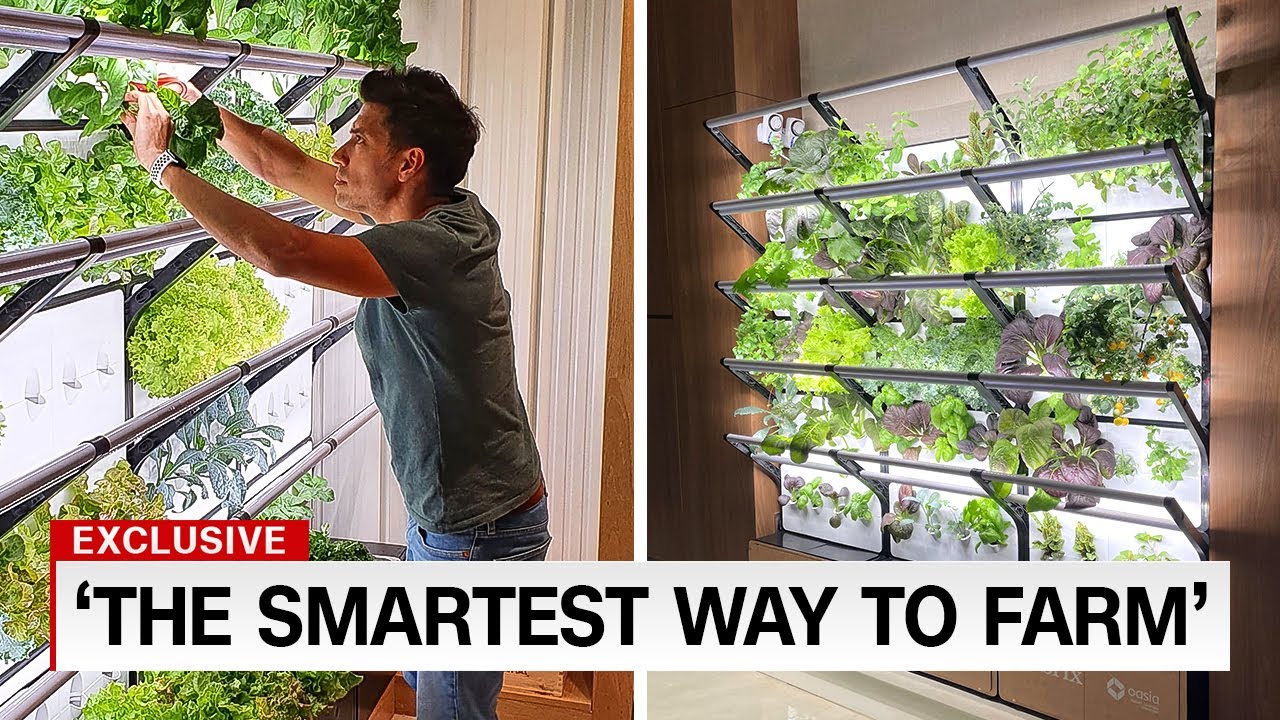
Hydroponics is the foundational technology of most vertical farms. In this system, plant roots are suspended in a nutrient-rich water solution, providing direct access to all the essential minerals they need for growth. This method offers several critical advantages:
-
Water Conservation: Hydroponic systems use up to 90% less water than traditional agriculture because water is recirculated in a closed-loop system, with minimal loss to evaporation or runoff.
-
Faster Growth Rates: With ideal nutrients constantly available, plants can divert energy away from developing extensive root systems to search for food and instead focus on rapid leaf and fruit production.
-
Space Efficiency: Plants can be grown much closer together since they are not competing for soil nutrients, a key factor in maximizing yield per square foot in a vertical structure.
B. Aeroponics: Taking Efficiency to the Next Level
A pioneering system developed by NASA for space missions, aeroponics represents an even more efficient evolution. In an aeroponic system, plant roots hang in the air within a sealed chamber and are periodically misted with a fine, nutrient-dense aerosol. This hyper-oxygenated environment supercharges plant growth, with some studies showing growth rates up to 30% faster than hydroponics, while using even less water and nutrients.
C. Aquaponics: Creating a Symbiotic Ecosystem
Dr. Sharma’s Veridian Tower incorporates a large-scale aquaponic system, which creates a beautiful, closed-loop symbiosis between fish and plants. In this model:
-
Fish are raised in large tanks, and their nutrient-rich wastewater is naturally produced.
-
This water, full of ammonia and other organic waste, is then channeled to bacterial bio-filters that convert it into nitrates a perfect plant fertilizer.
-
The plants absorb these nitrates, effectively filtering and purifying the water.
-
The clean water is then recirculated back to the fish tanks.
This creates a sustainable, mini-ecosystem within the building, producing both protein (fish) and vegetables simultaneously, with zero waste.
D. Controlled-Environment Agriculture (CEA): The Digital Brain
The true intelligence of a vertical farm lies in its CEA system. Every aspect of the environment is meticulously monitored and controlled by a network of sensors and AI-driven software.
-
LED Lighting: Custom-spectrum LED lights replace sunlight. These “light recipes” can be tuned to specific wavelengths (e.g., more blue for leafy greens, more red for fruiting plants) to optimize photosynthesis, shape, and even flavor.
-
Climate Control: Precise control over temperature, humidity, and CO2 levels ensures ideal growing conditions 365 days a year, making agriculture immune to seasons, droughts, or floods.
-
Automation and Robotics: From seeding and monitoring to harvesting, many tasks are automated. Drones and robotic arms navigate the growing racks, handling repetitive jobs and collecting vast amounts of data to further refine the system’s efficiency.
C. The Multifaceted Harvest: Environmental, Social, and Economic Benefits
The output of a vertical farm is measured not just in tons of produce, but in the wide array of benefits it delivers to the city and its people.
A. Environmental Restoration and Resilience
The environmental case for vertical farming is overwhelmingly positive.
-
Dramatically Reduced Food Miles: By producing food where it is consumed, vertical farms eliminate the need for long-distance transportation, which accounts for a significant portion of the food industry’s carbon footprint. A head of lettuce from a vertical farm across town has a carbon footprint a fraction of one shipped from a distant state.
-
Elimination of Agricultural Runoff: Because they are closed systems, vertical farms produce no agricultural runoff, which is a leading cause of water pollution in rivers and oceans, often creating dead zones devoid of life.
-
Land Reclamation: Vertical farming uses over 95% less land than conventional farming for the same yield. This presents a monumental opportunity to revert vast tracts of farmland back to natural forests, wetlands, and grasslands, which are crucial for carbon sequestration and biodiversity.
-
Pesticide-Free Production: The sterile, controlled environment of an indoor farm makes pests and diseases a non-issue. This allows for 100% pesticide-free, herbicide-free production, resulting in cleaner food and a healthier ecosystem.
B. Strengthening Urban Food Security and Safety
For cities, the implications for food security are transformative.
-
Year-Round Local Production: Cities become less dependent on volatile global supply chains. Blizzards, hurricanes, or political instability in a farming region no longer threaten the city’s food supply. Fresh, nutritious produce is available locally, every single day of the year.
-
Enhanced Food Safety: The controlled, traceable environment means that in the rare event of a contamination issue, its source can be pinpointed instantly, unlike the complex and lengthy trace-back process required for traditional agriculture.
-
Nutrient-Dense Food: By controlling the “light recipes” and nutrients, vertical farmers can bio-fortify their crops, potentially increasing levels of specific vitamins and antioxidants, offering a more nutritious product.
C. Economic Revitalization and Community Engagement
Beyond the plate, vertical farms stimulate the urban economy.
-
Creation of High-Tech Jobs: These farms are not staffed by traditional farmers but by a new generation of agricultural technicians, data analysts, robotics engineers, and plant biologists, creating skilled jobs in urban centers.
-
Educational Hubs: Facilities like the Veridian Tower host school tours, workshops, and university research programs, reconnecting urbanites, especially children, with the origins of their food.
-
Increased Property Value: Integrating productive, beautiful green spaces into buildings enhances the well-being of residents and can increase the aesthetic and monetary value of the property.
D. Navigating the Challenges: The Path to Mainstream Adoption
Despite its promise, the vertical farming industry faces significant hurdles that must be addressed for it to become a mainstream food source.
A. The High Capital and Operational Costs
The initial investment for a vertical farm is substantial. The cost of the building itself, coupled with the expensive LED lighting systems, climate control infrastructure, and automation robotics, requires deep-pocketed investors. Furthermore, the electricity consumption, primarily for lighting, constitutes a major ongoing operational expense. The economic viability hinges on falling technology costs and rising efficiency.
B. The Energy Conundrum
This is the most critical challenge. If the electricity powering a vertical farm comes from a coal-fired grid, its environmental benefits, particularly its carbon footprint, are negated. The future of the industry is inextricably linked to the transition to renewable energy. Dr. Sharma’s tower incorporates solar panels and is exploring agreements for wind power, but a broader, grid-level shift to clean energy is essential.
C. The Crop Limitation Dilemma
Currently, the economics of vertical farming best suit fast-growing, high-value leafy greens, herbs, and microgreens. Staples that feed the world like wheat, corn, and rice along with tree crops, are not economically viable to grow in this system due to their space, light, and growth cycle requirements. Research is ongoing, but for the foreseeable future, vertical farms will complement, not replace, traditional field agriculture for calorie-dense staples.
D. Technical Complexity and Expertise
Running a vertical farm requires a specialized blend of skills in horticulture, engineering, and data science. A shortage of trained professionals in this nascent field can be a bottleneck to its expansion.
E. The Future Harvest: What Lies Beyond the Horizon
The work of pioneers like Dr. Anya Sharma is just the beginning. The future of vertical farming is bright and filled with fascinating possibilities that will further integrate this technology into the fabric of our lives.
A. Integration into the Urban Fabric: Agri-Hooded Skyscrapers
The next generation of skyscrapers will be designed from the ground up with integrated vertical farms. We will see “agri-hooded” buildings where the facades themselves become productive surfaces, and farms are woven into residential floors, offices, and retail spaces, providing not just food but also natural air purification and psychological benefits.
B. AI and Genetic Optimization
Artificial intelligence will move beyond climate control to fully autonomous farming. AI will analyze plant health in real-time, predict yields, and automatically adjust every variable for optimum output. Furthermore, collaboration with plant geneticists will lead to the development of new crop varieties specifically bred for indoor conditions varieties that may have higher yields, unique flavors, or enhanced nutritional profiles.
C. Expanding the Crop Portfolio
While currently limited, research is rapidly expanding the range of viable crops. Success is being seen with strawberries, peppers, and even some dwarf varieties of tomatoes and potatoes. The holy grail of producing a staple grain indoors remains a long-term goal, but each new crop adds resilience to the urban food system.
D. The Rise of the “Distributed Farm” Model
We will see a move away from only large, centralized towers to a distributed network of smaller farms. Repurposed shipping containers, abandoned warehouses, and even underground spaces like old bomb shelters are being converted into hyper-local micro-farms, supplying individual neighborhoods, restaurants, and grocery stores directly.
Conclusion: A Paradigm Shift on the Horizon
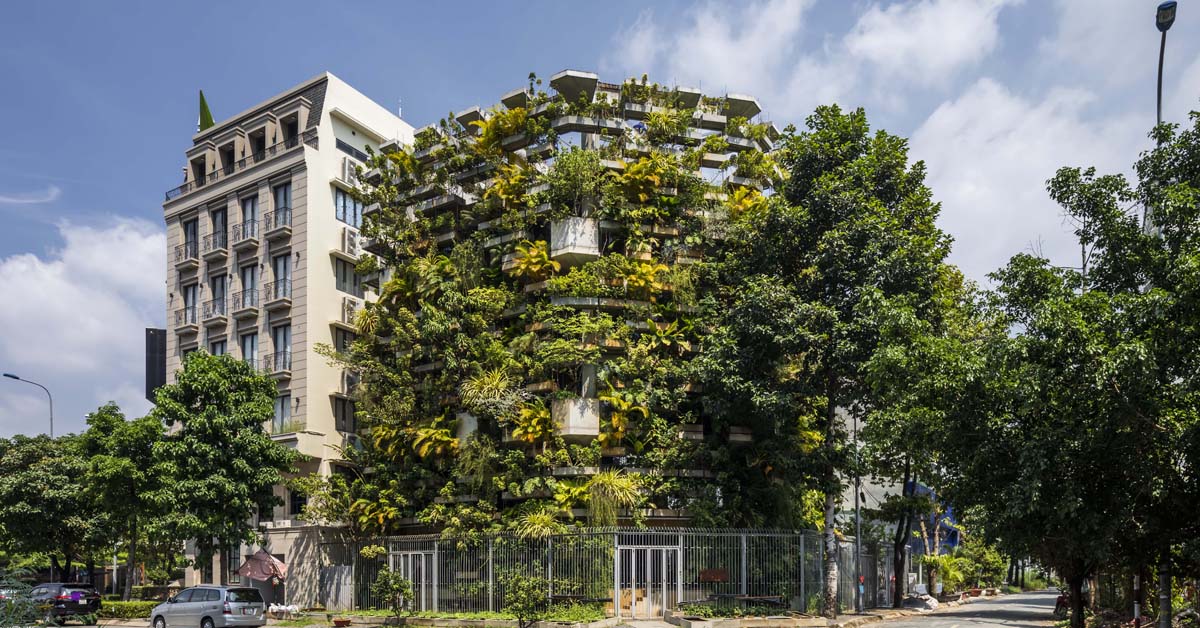
Dr. Anya Sharma’s Veridian Harvest Tower is more than just a building that grows food; it is a powerful symbol of a paradigm shift. It represents a move away from a linear, extractive, and vulnerable food system towards a circular, restorative, and resilient one. It challenges the archaic dichotomy between urban and rural, demonstrating that the city of the future must be a productive, life-sustaining entity, not just a consumer of resources.
While challenges around energy and economics remain, the trajectory is clear. The convergence of architecture, engineering, and data science is unlocking a new form of agriculture one that is cleaner, more efficient, and fundamentally local. The vertical farming revolution, led by visionaries like Dr. Sharma, offers a tangible, hopeful, and necessary solution to one of the 21st century’s most pressing problems: how to feed a growing urban world without consuming the planet. It is a testament to human ingenuity, proving that by looking up, we can find the space to grow a better future for all.