In an era defined by the twin crises of climate change and urban pollution, the quest for sustainable architectural solutions has never been more urgent. While many innovators look to the future with advanced technology and new materials, one visionary architect is looking down, to the very soil beneath our feet, for a radical and living answer. The groundbreaking concept of an “Architect’s Mycelium Tower Cleansing Polluted Air” is not a fragment of science fiction but a tangible, biological masterpiece that promises to redefine our relationship with the built environment. This is not merely a building; it is a testament to the power of biomimicry, a functioning ecosystem designed to breathe life back into our cities.
This article delves deep into the revolutionary vision of this architectural marvel. We will explore the science behind its primary building block mycelium the intricate design and structure of the tower, its multifaceted air purification mechanisms, and the profound implications it holds for the future of urban design, waste management, and ecological restoration.
A. Deconstructing the Miracle Material: What Exactly is Mycelium?
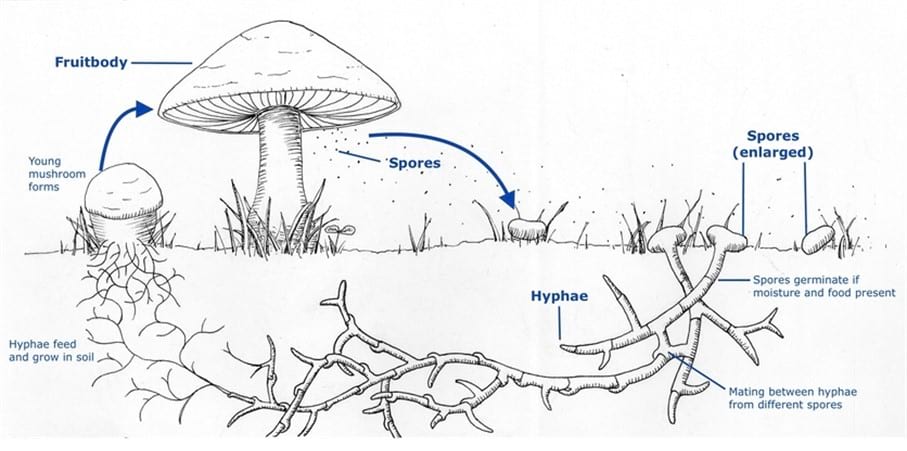
Before we can appreciate the tower, we must first understand its essence. Mycelium is the often-overlooked, vegetative part of a fungus, a vast, root-like network of thread-like cells called hyphae. Imagine a colossal, subterranean internet, a fibrous, intelligent web that can stretch for miles underground. This “Wood Wide Web” is the true life force of fungi, responsible for nutrient absorption and decomposition in natural ecosystems.
Mycelium’s properties are nothing short of miraculous, especially from a material science and environmental perspective:
A. Rapid and Sustainable Growth: Mycelium can be cultivated on agricultural waste products like straw, wood chips, and corn husks. In controlled environments, it colonizes this substrate with astonishing speed, transforming waste into a robust, solid material in a matter of days.
B. Self-Assembling Structure: The hyphae bind the substrate together naturally, creating a durable, low-density solid foam. This process requires minimal energy input, especially when compared to the manufacturing of conventional building materials like concrete or steel, which are carbon-intensive.
C. Inherently Fire-Resistant and Insulative: Mycelium-based materials have demonstrated excellent natural fire-retardant properties. Furthermore, the mycelium’s fibrous, air-filled structure provides superior thermal and acoustic insulation, reducing a building’s energy needs for heating and cooling.
D. Fully Biodegradable and Non-Toxic: At the end of its life cycle, a mycelium product requires no complex demolition. It can be composted, returning nutrients to the earth and creating a truly circular, zero-waste material lifecycle.
It is this combination of sustainability, strength, and intelligent growth that makes mycelium the ideal candidate for the next frontier in green architecture.
B. Architectural Genesis: The Conception and Design Philosophy of the Mycelium Tower
The Mycelium Tower is conceived not as a rigid, inanimate object, but as a living, breathing entity. The architect’s philosophy is rooted in symbiosis the idea that our buildings should not just exist within an ecosystem but should actively become a beneficial part of it. The design is a direct rejection of the conventional, extractive model of construction.
Key Design Elements of the Tower:
A. Modular, Organic Form: The tower does not conform to the straight lines and right angles of traditional skyscrapers. Instead, it features flowing, curvilinear forms that resemble a giant, branching mushroom or a coral reef. This is not just an aesthetic choice; the increased surface area is critical for maximizing air contact for purification.
B. Integrated Structural Mycelium Framing: The primary structural components walls, floors, and even load-bearing columns are composed of specially grown mycelium blocks. These blocks are “trained” to grow into specific shapes within molds, creating a strong, lightweight latticework that forms the building’s skeleton.
C. The Living Bio-Filter Facade: The most revolutionary aspect is the tower’s outer skin. This is not a passive layer of glass or steel. It is an active, living bio-filter. This facade comprises a complex matrix of mycelium, substrate, and complementary plants. Air from the surrounding environment is passively drawn through this porous, living wall, where the purification magic happens.
D. Internal Climate and Water Systems: The design incorporates a sophisticated water-harvesting system that collects rainwater and distributes it through capillary action to maintain the moisture levels of the mycelium facade. The building’s natural insulation regulates internal temperature, while strategically placed openings and the tower’s form encourage natural ventilation, minimizing the need for mechanical systems.
C. The Science of Purification: How the Tower Actively Cleans the Air

The claim that a building can cleanse polluted air is bold, but the biological and chemical processes underpinning it are well-established and brilliantly integrated. The tower operates as a multi-stage, bio-mechanical air filtration system.
Stage 1: Particulate Matter (PM) Capture
As polluted urban air, laden with PM2.5 and PM10 particles from vehicle exhaust and industrial activity, flows through the porous mycelium facade, the dense, fibrous network acts as a physical filter. These harmful particulates get trapped within the mycelial matrix, effectively scrubbing them from the air stream.
Stage 2: Biological and Chemical Degradation
This is where the true genius lies. Mycelium is not just a passive filter; it is a metabolic powerhouse. The fungi secrete a powerful cocktail of extracellular enzymes and acids that are capable of breaking down a wide range of stubborn pollutants.
A. Breaking Down Hydrocarbons: Enzymes like laccase and peroxidase target complex hydrocarbon chains found in volatile organic compounds (VOCs) released by paints, solvents, and fuels. They dismantle these toxic molecules into simpler, non-toxic compounds like carbon dioxide and water.
B. Neutralizing Heavy Metals: The mycelium performs a process called bioaccumulation. Its hyphae have a high affinity for heavy metal ions like lead, mercury, and cadmium. These metals are absorbed and bound within the fungal structure, effectively immobilizing them and preventing them from circulating in the atmosphere.
C. Carbon Sequestration: Throughout its life, the mycelium is constantly growing and metabolizing. It uses the carbon from the broken-down pollutants and the agricultural waste substrate to build its own biomass. This process locks away carbon that would otherwise contribute to atmospheric CO2 levels, making the tower a functional carbon sink.
Stage 3: Synergistic Phytoremediation
The facade is not a monoculture. It is a symbiotic ecosystem where specific plants are cultivated in synergy with the mycelium. The mycelial network acts as an extension of the plants’ root systems, helping them access water and nutrients. In return, the plants contribute to air purification through their own natural processes photosynthesis absorbs CO2 and releases oxygen, and their leaves can also capture particulate matter. This plant-fungal partnership creates a remediation system far more powerful than either could achieve alone.
D. Beyond Air Purification: The Multifaceted Environmental and Social Benefits
The air-cleansing function is the headline feature, but the Mycelium Tower’s benefits extend far beyond this single, albeit critical, function.
A. Revolutionizing Waste Management: The construction of the tower relies on agricultural byproducts that are often burned or sent to landfills, contributing to pollution. By using this “waste” as the primary food source for the mycelium, the project creates a high-value outlet for it, promoting a circular economy and reducing agricultural emissions.
B. Significant Reduction in Embodied Carbon: The production of cement and steel is one of the largest industrial sources of CO2. Mycelium cultivation, by contrast, is a low-temperature, biological process that sequesters carbon. This results in a dramatically lower “embodied carbon” footprint for the entire structure.
C. Urban Biodiversity Hotspots: The complex, textured surface of the tower, with its varied microclimates and abundant plant life, provides a refuge for urban wildlife. It can become a vertical habitat for insects, birds, and beneficial microorganisms, increasing local biodiversity in often ecologically sterile city centers.
D. Psychological and Public Health Impacts: The presence of a living, green structure has demonstrable benefits for human well-being. Studies in biophilic design show that connection to nature reduces stress, improves cognitive function, and enhances mood. Furthermore, by directly improving local air quality, the tower can contribute to lower rates of asthma, cardiovascular disease, and other pollution-related illnesses in the community.
E. Educational and Cultural Icon: The tower serves as a permanent, functioning exhibit on sustainable living. It can inspire a new generation of architects, biologists, and citizens, fostering a deeper cultural appreciation for biomimicry and ecological responsibility.
E. Addressing the Challenges: Scalability, Durability, and Regulation
No pioneering technology is without its hurdles. For the Mycelium Tower to move from a brilliant concept to a widespread reality, several challenges must be thoughtfully addressed.
A. Structural Integrity and Long-Term Durability: While mycelium composites are strong for their weight, their load-bearing capacity compared to steel-reinforced concrete is a primary concern for tall structures. Research is focused on creating mycelium hybrids and advanced growth techniques to enhance strength. Long-term durability against constant weathering, moisture cycles, and potential fungal “aging” is also a critical area of ongoing study.
B. Scalability of Production: Growing building-sized blocks of mycelium requires vast, controlled environments. Scaling up from lab samples to industrial production demands significant investment in infrastructure and the development of new, efficient cultivation and harvesting technologies.
C. Building Codes and Public Perception: Current building codes are not written for living materials. Gaining regulatory approval will require extensive testing and a shift in mindset from authorities. Furthermore, overcoming the public’s potential apprehension about a “mushroom building” concerns about rot, mold, or insects will be crucial for social acceptance.
D. Maintenance of the Living System: A living building requires a new kind of maintenance. The health of the mycelium and plants must be monitored, requiring a novel skillset for facility managers, blending horticulture, mycology, and traditional engineering.
F. The Future is Fungal: Broader Implications and What Lies Ahead
The Mycelium Tower is far more than a single building; it is a beacon pointing toward a new paradigm. Its success could catalyze a fungal revolution across multiple industries.
A. Urban Planning and “Bio-Cities”: Imagine districts composed of such structures, creating urban lungs that actively repair their environment. City planning could shift from minimizing environmental impact to generating a net-positive ecological benefit.
B. Disaster-Relief and Temporary Housing: The rapid, low-cost, and local nature of mycelium construction makes it ideal for creating temporary shelters after natural disasters. These shelters could be grown on-site using local waste materials and would be compostable after use, leaving no permanent footprint.
C. Interior Design and Consumer Products: The technology can be scaled down for interior wall panels, furniture, and packaging. This would bring the air-purifying and carbon-storing benefits of mycelium into our homes and daily lives, creating a truly pervasive sustainable material ecosystem.
D. Space Colonization: NASA and other space agencies are deeply interested in mycelium for building habitats on the Moon or Mars. The ability to “grow” a habitat using regolith and astronaut waste as a substrate would be a game-changer for long-term space exploration.
Conclusion: A Symbiotic Blueprint for Tomorrow
The Architect’s Mycelium Tower is a profound symbol of hope and ingenuity. It represents a future where humanity no longer fights against nature but collaborates with it. It demonstrates that the solutions to our most pressing environmental problems may not lie in complex, energy-hungry technologies, but in harnessing the ancient, refined intelligence of biological systems. This living tower is more than an air purifier; it is a manifesto for a world where our cities are not concrete jungles but thriving, breathing ecosystems. It challenges us to rethink the very definition of a building, from a static container for human activity to a dynamic, living partner in the health of our planet. The mycelial network beneath the forest floor connects trees, allowing them to communicate and share resources. In a beautiful, full-circle moment, this same network is now offering us a connection a way to rebuild our world and cleanse the air we share, one visionary tower at a time.