
The dream of establishing a human presence on Mars has captivated scientists, engineers, and visionaries for decades. Once confined to the pages of science fiction, this ambition is now a tangible goal pursued by space agencies and private corporations alike. However, the path to becoming an interplanetary species is fraught with challenges far more complex than merely building a powerful rocket. Recent insights from leading Mars habitat architects have shifted the conversation from simple survival to sustainable living, revealing a future where Martian colony design is a sophisticated interplay of biology, engineering, and human psychology. This article delves deep into the shocking revelations and intricate details of what it will truly take to build a home on the Red Planet.
A. The Foundational Imperative: Why Mars Colonization is a Necessity
The drive to colonize Mars is not merely a scientific endeavor; it is often framed as a crucial evolutionary step for humanity. Proponents argue that establishing a self-sustaining civilization on another planet is the ultimate insurance policy for the human species.
-
Planetary Backup and Species Survival: Earth is vulnerable. The threat of a global catastrophe, whether from a nuclear war, a runaway pandemic, or a large asteroid impact, looms in our collective consciousness. A self-sufficient colony on Mars would ensure that the flame of human consciousness is not extinguished by a single planetary disaster. It represents a dispersal of risk, much like backing up crucial data on a separate hard drive.
-
Accelerating Scientific and Technological Advancement: The Apollo program gave us everything from satellite technology and advanced computing to cordless tools and water purification systems. Similarly, the monumental challenge of living on Mars will force unprecedented innovation in fields like closed-loop life support, sustainable agriculture, energy production, and materials science. These advancements will have profound and cascading benefits for technology and quality of life on Earth.
-
The Unquenchable Human Spirit of Exploration: Humanity’s history is written by explorers who crossed oceans and continents in search of new horizons. Mars represents the next, and most profound, frontier. The pursuit answers a fundamental human need to explore, to understand our place in the cosmos, and to push the boundaries of what is possible. It is a quest that can inspire generations and unify humanity under a common, awe-inspiring goal.
B. Deconstructing the Martian Environment: A Hostile World
Before we can design a habitat, we must first understand the enemy. The Martian environment is an unforgiving and hostile landscape that presents a cascade of life-threatening challenges.
A. A Thin and Suffocating Atmosphere: The Martian atmosphere is composed of 95% carbon dioxide and is over 100 times thinner than Earth’s. This has two immediate consequences:
* No Breathable Air: Humans cannot breathe the Martian air.
* Inadequate Pressure: The atmospheric pressure is so low that fluids in your lungs, skin, and eyes would begin to boil without a pressure suit. This makes the surface completely uninhabitable without constant life support.
B. Relentless and Deadly Radiation: Without a robust global magnetic field and a thick atmosphere, the surface of Mars is bombarded by two primary sources of radiation:
* Galactic Cosmic Rays (GCRs): High-energy particles from outside our solar system that are incredibly difficult to shield against and pose a long-term cancer risk.
* Solar Particle Events (SPEs): Bursts of protons from the Sun that can deliver acute, lethal radiation doses. Chronic exposure damages the central nervous system, increases cardiovascular disease risk, and causes cataracts.
C. Extreme Temperature Fluctuations: Located further from the Sun, and with an atmosphere too thin to retain heat, Mars is profoundly cold. Average surface temperatures are around -63°C (-81°F), but can plummet to -125°C (-195°F) near the poles in winter and reach a “balmy” 20°C (70°F) at the equator at midday. Habitats must withstand these dramatic swings.
D. The Peril of Regolith and Dust Storms: Martian soil, or regolith, is not like Earth’s soil. It is filled with perchlorates toxic chemicals that can impair thyroid function and is extremely fine and abrasive. Global dust storms can rage for months, blocking sunlight critical for solar power and coating everything in a layer of destructive dust.
C. Architectural Marvels: Designing for Survival and Sanity
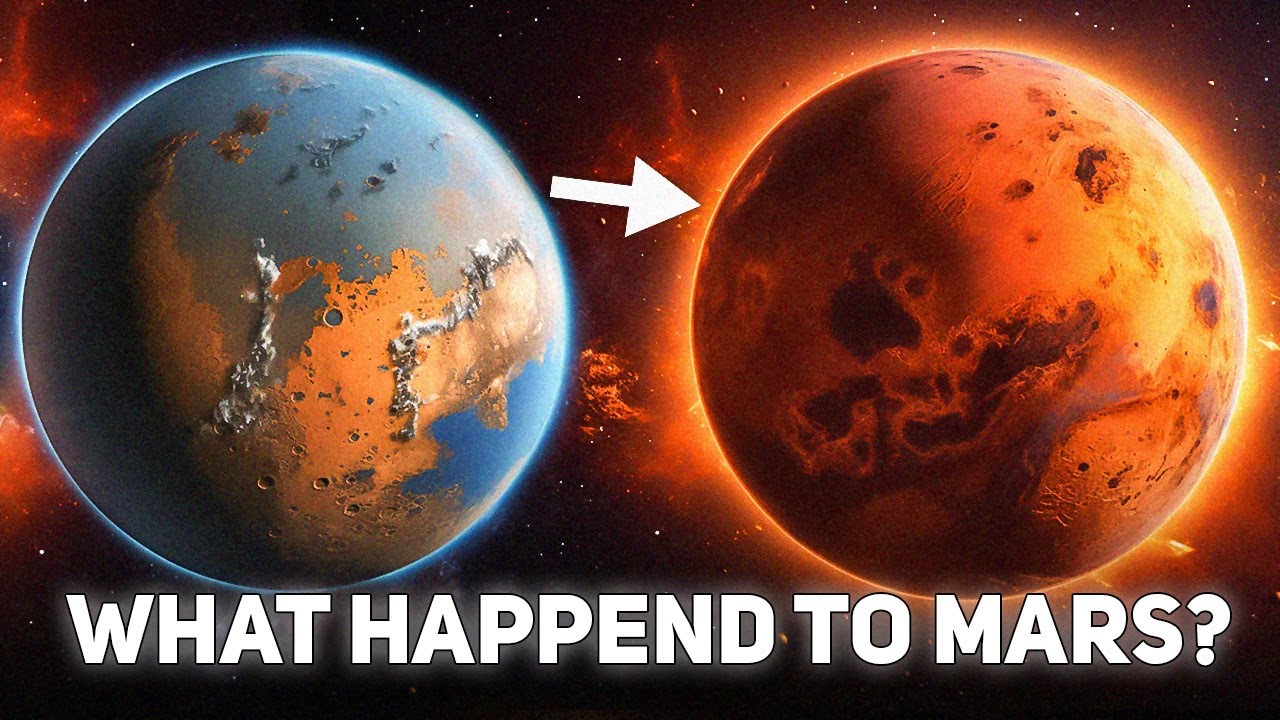
This is where the revelations from habitat architects become most critical. The design is not just about keeping people alive; it’s about creating an environment where they can thrive physically and psychologically for years, or even a lifetime.
A. The Location Scouting: Where to Build the First Martian City
* Mid-Latitude Regions: Areas closer to the equator are favored for more moderate temperatures and greater solar energy potential.
* Lava Tubes: Subsurface tunnels formed by ancient volcanic activity are a prime candidate. They offer natural protection from radiation and micrometeorites, and provide a pre-made, stable structural shell. Rovers like NASA’s Perseverance are equipped to identify and map these potential sites.
* Access to Water Ice: The north polar ice cap and subsurface ice deposits at mid-latitudes are crucial. Water is not just for drinking; it is for growing food, producing oxygen, and can be split into hydrogen and oxygen for rocket fuel.
B. The Structural Paradigm: In-Situ Resource Utilization (ISRU)
The key to sustainable colonization is to “live off the land.” Transporting every kilogram of material from Earth is prohibitively expensive. ISRU involves using Martian resources to construct the habitat.
* 3D Printing with Regolith: Architects are developing technologies to use Martian soil as the primary building material. Giant 3D printers would sinter the regolith into a hard, ceramic-like material, building layered walls that provide excellent radiation shielding.
* The “Ice Home” Concept: One innovative design proposes inflatable domes surrounded by a shell of water ice. Water is an exceptional shield against radiation, and the translucent ice would allow natural light to filter through, combating the sense of claustrophobia and Seasonal Affective Disorder (SAD).
C. The Interior Blueprint: A Hierarchy of Pressurized Spaces
The interior layout is meticulously planned for efficiency, safety, and psychological well-being.
* Redundant Airlocks: Every entrance is a potential failure point. Designs feature multiple, redundant airlocks with decontamination chambers to prevent toxic regolith from entering the living spaces.
* Modular and Expandable Design: The colony will not be built in a day. Habitats will be modular, allowing for expansion as the population grows. Individual modules might be dedicated to specific functions: sleeping quarters, laboratories, agricultural bays, and communal areas.
* The “Earth Room”: Perhaps the most psychologically vital space. This would be a dedicated module designed to mimic an Earth environment, using advanced LED lighting that replicates a 24-hour day/night cycle, lush hydroponic vegetation, and even simulated sounds of nature. This serves as a crucial sanctuary for mental health.
D. The Human Factor: The Invisible Architecture of a Colony
A habitat is more than its walls. The most advanced life support system will fail if the human inhabitants inside cannot cope.
A. The Psychological Gauntlet: Isolation, Confinement, and Distance
Crews will face a level of isolation never before experienced. They will be millions of kilometers from home, with a communication delay of up to 44 minutes. The “Earth-out-of-view” phenomenon could lead to profound existential loneliness. Architects are combating this by designing spaces that promote community, with open communal areas, private quarters for retreat, and virtual reality systems for mental escape.
B. The Social Dynamics of a Closed Society: A small, isolated group is a petri dish for social dynamics. Conflicts are inevitable. Colony design must include spaces for conflict resolution and private conversations. The selection process for colonists will be as much about psychological compatibility as technical skill.
C. Physiological Adaptation and the Question of Gravity: Mars has only 38% of Earth’s gravity. The long-term effects of this on the human body muscle atrophy, bone density loss, cardiovascular degradation, and vision problems are largely unknown. While artificial gravity through centrifugal force is a concept for spacecraft, it is impractical on the surface. Habitats must include comprehensive and non-negotiable exercise regimes to mitigate these effects.
E. The Unsung Heroes: Critical Subsystems for Sustained Life
Behind the scenes of the main habitat, a complex web of machinery works in concert to create a bubble of Earth-like conditions.
A. The Closed-Loop Life Support System (LSS): This is the colony’s beating heart. It must be nearly 100% efficient in recycling all resources.
* Air Revitalization: Systems will scrub CO2 from the air, likely using plants in the agricultural module or mechanical systems like those on the International Space Station. Oxygen will be generated through the electrolysis of water.
* Water Recycling: Every drop of moisture from sweat, urine, humidity, and washing will be captured, purified, and reused. This requires incredibly reliable and multi-layered filtration and purification systems.
B. Agricultural Revolution: Farming on Mars
Food cannot be entirely supplied from Earth. Martian agriculture will be a hybrid of advanced technologies.
* Hydroponics and Aeroponics: Plants will be grown without soil, their roots misted with or suspended in a nutrient-rich water solution, inside controlled-environment agricultural modules.
* The Role of Synthetic Biology: Scientists are engineering plants to be more efficient at photosynthesis in lower light conditions and more resistant to disease. There is also ongoing research into creating soil from processed regolith by introducing beneficial bacteria and fungi.
C. Powering the Colony: The Energy Imperative
All life support, communication, and industrial activity requires immense, uninterrupted power.
* Nuclear Fission Power: This is the leading candidate for a primary power source. Small, sealed nuclear reactors can provide a dense, reliable baseload of power day and night, unaffected by dust storms.
* Redundant Solar Arrays: While vulnerable to dust, solar power will still play a significant role, providing supplemental energy and redundancy. Self-cleaning mechanisms will be essential.
F. The Roadmap and The Unanswered Questions
The journey to a sustainable Mars colony is a phased one, and many ethical and practical questions remain.
A. The Stepping Stones: From Robots to a City
1. Robotic Precursors (Now – 2030s): Rovers and landers continue to scout for resources, test ISRU technologies, and preposition supplies.
2. The First Human Mission (Late 2030s – 2040s): A short-stay mission of 4-6 astronauts, focused on proving technologies and conducting intensive science. SpaceX’s Starship is a primary vehicle for this vision.
3. The First Base (2050s): A permanently occupied but not yet self-sufficient outpost, reliant on periodic supply missions from Earth.
4. A Self-Sustaining City (2070s and Beyond): The final goal: a colony that can produce its own food, manufacture its own goods, and grow independently of Earth.
B. The Lingering Ethical Dilemmas
* Planetary Protection: Do we have the right to irrevocably change the Martian environment? What if we discover native microbial life? How do we avoid contaminating it with Earth life?
* Governance and Law: Who makes the laws on Mars? What legal system governs the colonists? The Outer Space Treaty provides a basic framework, but a functioning society will need a detailed constitution.
* The Economics of a New World: How is labor valued? What does property mean? Will it be a scientific outpost, a corporate venture, or a new nation?
Conclusion: The Greatest Adventure Awaits
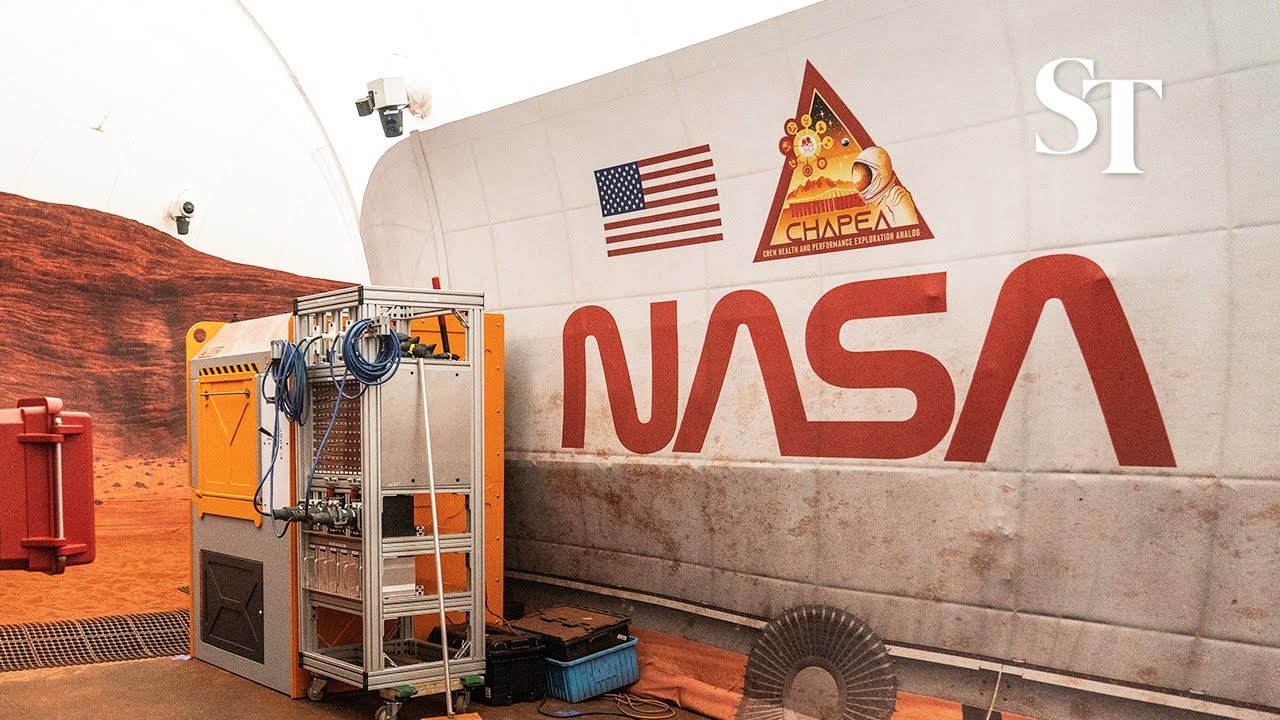
The revelations from Mars habitat architects paint a picture of a future that is both daunting and exhilarating. Building a home on Mars is not a simple construction project; it is the creation of an entirely new branch of human civilization, engineered from the atom up. It will test the limits of our technology, our bodies, and our minds. The challenges are monumental, but so is the potential reward: the birth of a multi-planetary species, the acceleration of human knowledge, and the securing of our future against planetary catastrophe. The blueprint for Mars is more than a set of engineering schematics; it is a testament to humanity’s relentless, indomitable will to reach for the stars and carve out a new home among them. The first chapter of this story is being written today, and its authors are the architects, scientists, and dreamers who dare to imagine a city under the rusty skies of Mars.