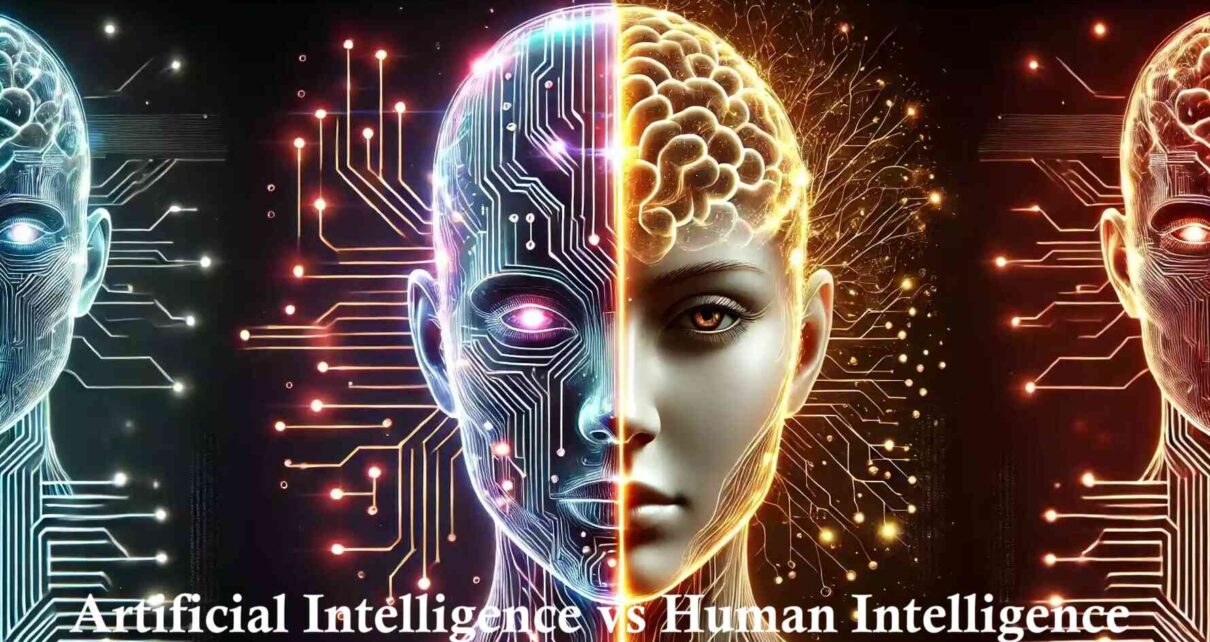
The architectural profession stands at a pivotal crossroads in human history. For centuries, architects have relied on manual drafting, physical models, and traditional design methodologies to create the built environment that surrounds us. However, the rapid advancement of artificial intelligence technology has introduced unprecedented tools that challenge conventional practices. This article explores the fascinating tension between old-school architectural wisdom and emerging AI capabilities, examining how both approaches contribute to the future of building design.
The Historical Foundation of Architectural Practice
Traditional architecture represents thousands of years of accumulated knowledge, craftsmanship, and cultural expression. From the Pyramids of Giza to the Gothic cathedrals of Europe, architects have developed sophisticated methods for understanding structural integrity, spatial relationships, and aesthetic harmony. These historical approaches emphasize human intuition, tactile engagement with materials, and deep contextual understanding of place and culture.
The Master-Apprentice Tradition
The old architectural paradigm operated through a rigorous master-apprentice system that could span decades. Young architects would spend years learning under experienced practitioners, absorbing not just technical skills but also philosophical approaches to design. This transmission of knowledge ensured that architectural wisdom passed from generation to generation, preserving valuable insights about what makes spaces functional, beautiful, and meaningful to human experience.
Manual Drafting and Physical Modeling
Before computer-aided design became ubiquitous, architects created everything by hand. Pencil drawings on tracing paper, ink renderings, and physical scale models formed the backbone of architectural communication. These processes demanded exceptional precision, patience, and spatial understanding. The physical act of drawing forced architects to think deeply about every line, curve, and intersection, developing an intimate relationship with their designs that digital tools often cannot replicate.
The Importance of Site Visits and Material Knowledge
Traditional architects spent countless hours on construction sites, understanding how materials behaved in real-world conditions. They learned to read the grain of wood, the texture of stone, and the behavior of concrete. This hands-on experience created an intuitive understanding of structural possibilities and limitations that no textbook could fully convey.
The Rise of Artificial Intelligence in Architecture
The integration of AI into architectural practice represents one of the most significant technological shifts since the introduction of CAD software in the 1980s. Modern AI tools offer capabilities that would have seemed like science fiction just a generation ago, fundamentally altering how architects approach design problems.
Generative Design Capabilities
AI-powered generative design tools can produce thousands of design variations in minutes, exploring possibilities that human designers might never consider. These systems analyze parameters such as site conditions, material properties, energy efficiency requirements, and aesthetic preferences to generate optimized solutions. The AI does not simply replicate existing designs but creates entirely novel configurations based on complex algorithmic reasoning.
Computational Analysis and Optimization
Modern AI excels at analyzing vast amounts of data to optimize building performance. Energy modeling, structural analysis, daylight simulation, and acoustic studies can all be performed with unprecedented speed and accuracy. Machine learning algorithms can predict building performance under various conditions, helping architects make informed decisions about everything from window placement to HVAC system design.
Pattern Recognition and Design Assistance
AI systems trained on extensive architectural databases can recognize patterns in successful designs, offering suggestions that align with established principles of good architecture. These tools can help architects identify potential issues early in the design process, flagging concerns about circulation, accessibility, or structural integrity before they become costly problems.
Comparing Methodologies: Human Intuition vs. Machine Logic
The fundamental difference between traditional and AI-driven architecture lies in how decisions are made and justified.
The Role of Experience and Instinct
Veteran architects develop what can only be described as design intuition—an almost subconscious ability to know what will work in a given context. This intuition comes from years of observing how people interact with spaces, understanding cultural nuances, and learning from both successes and failures. AI lacks this experiential wisdom, operating instead on statistical probabilities and algorithmic logic.
Data-Driven Decision Making
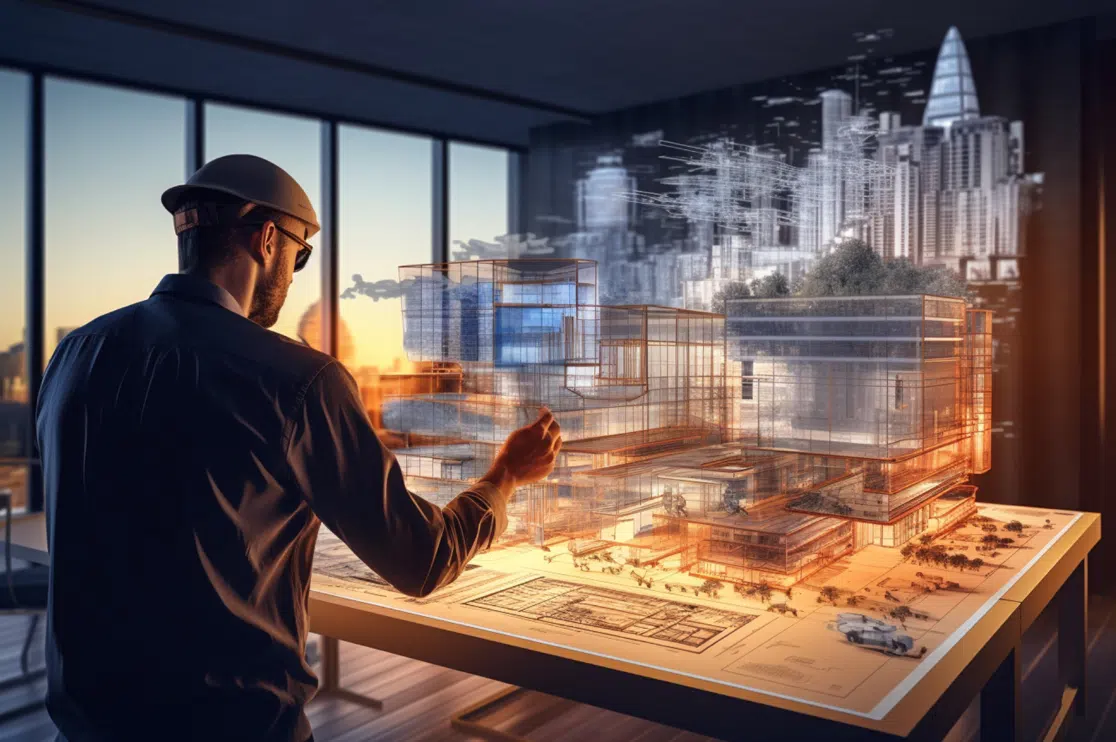
AI makes decisions based on data patterns rather than personal experience. While this approach can eliminate certain biases and errors, it also risks producing designs that lack the human touch and cultural sensitivity that traditional architects bring to their work. The AI cannot understand why a particular space feels welcoming or why a certain proportion creates a sense of grandeur—it can only recognize patterns that statistically correlate with positive outcomes.
Creativity and Innovation
Proponents of traditional architecture argue that true creativity emerges from the human mind’s ability to make unexpected connections and transcend established patterns. While AI can generate variations on existing themes, it struggles to produce genuinely novel ideas that break with convention. The most innovative architectural works in history often came from designers who deliberately departed from established norms—something that AI, by its nature, is ill-equipped to do.
Integration Opportunities: The Best of Both Worlds
Rather than viewing old and new approaches as competing paradigms, many forward-thinking architects are finding ways to integrate traditional wisdom with AI capabilities.
Augmented Design Processes
AI excels at handling repetitive calculations and generating options, freeing architects to focus on higher-level creative decisions. The architect can use AI-generated variations as starting points, applying human judgment and aesthetic sensitivity to refine and develop the most promising concepts. This collaboration between human and machine often produces results that neither could achieve alone.
Preserving Craft Knowledge Through Digital Tools
Modern technology allows traditional craftsmanship to be documented, preserved, and transmitted in ways that were previously impossible. Digital archives of historical buildings, traditional construction techniques, and vernacular architecture can inform AI systems, ensuring that valuable knowledge survives into the digital age. Some AI tools are being trained specifically on historical architectural data to help contemporary architects understand and incorporate traditional design principles.
Sustainable Design Integration
Combining traditional knowledge of climate-responsive architecture with AI’s analytical capabilities creates powerful opportunities for sustainable design. AI can analyze site conditions and building performance while traditional architects contribute understanding of local materials, cultural preferences, and passive design strategies that have been refined over centuries.
Challenges and Concerns
The adoption of AI in architecture raises legitimate concerns that must be addressed thoughtfully.
The Loss of Design Agency
Some architects worry that over-reliance on AI tools could diminish their creative agency, turning them into operators of software rather than independent designers. When AI generates design solutions, whose vision is being realized—the architect’s or the algorithm’s? This question has profound implications for architectural ethics and professional identity.
Quality Control and Accountability
AI systems can produce plausible-seeming designs that contain hidden flaws or inappropriate assumptions. Unlike human architects, AI lacks the ability to explain its reasoning or take responsibility for mistakes. Determining liability when AI-generated designs fail requires new legal and professional frameworks that have not yet been fully developed.
Homogenization of Design
If AI is trained on existing architectural databases, it risks perpetuating existing styles and approaches rather than encouraging diversity and innovation. The homogenizing effect of AI could reduce the rich variety of architectural expression that has characterized human building traditions throughout history.
Accessibility and Equity
Advanced AI tools require significant investment in hardware, software, and training. This creates barriers for smaller firms and architects in developing countries, potentially widening the gap between well-resourced practitioners and those with limited access to technology.
Educational Implications
The introduction of AI into architecture raises important questions about how future architects should be trained.
Maintaining Foundational Skills
Despite the power of AI tools, architectural education must continue to emphasize foundational skills. Understanding structural principles, material properties, historical context, and design theory remains essential. Students need this knowledge not only to use AI effectively but also to evaluate its outputs critically.
Teaching AI Literacy
Tomorrow’s architects must learn not just how to use AI tools but also how to understand their limitations and biases. Education programs should include instruction on algorithmic thinking, data interpretation, and the ethical implications of AI-assisted design.
Balancing Technology and Art
Architecture remains fundamentally an art as well as a science. Educational programs must preserve the artistic dimension of the profession, encouraging students to develop their design voice and creative vision alongside their technical capabilities.
Case Studies: Where Old and New Meet
Examining specific projects reveals how traditional and AI approaches can work together effectively.
Heritage Preservation
AI is being used to analyze historical buildings, creating detailed digital models that can guide restoration efforts. These models combine traditional documentation methods with advanced scanning and analysis, ensuring that historical structures are preserved accurately while benefiting from modern capabilities.
Climate-Responsive Design
Architects in hot climates are combining traditional passive cooling strategies with AI-driven optimization. The AI analyzes wind patterns, solar angles, and thermal properties to refine traditional designs, producing buildings that are both culturally appropriate and highly energy-efficient.
Parametric Facade Design
Many contemporary buildings feature complex facades generated through parametric design tools, which are related to AI. These tools can produce visually striking patterns while optimizing performance metrics. However, successful projects maintain the traditional architect’s role in ensuring that the resulting designs are aesthetically coherent and contextually appropriate.
The Future of Architectural Practice
Looking ahead, several trends will likely shape how architecture evolves.
Hybrid Workflows
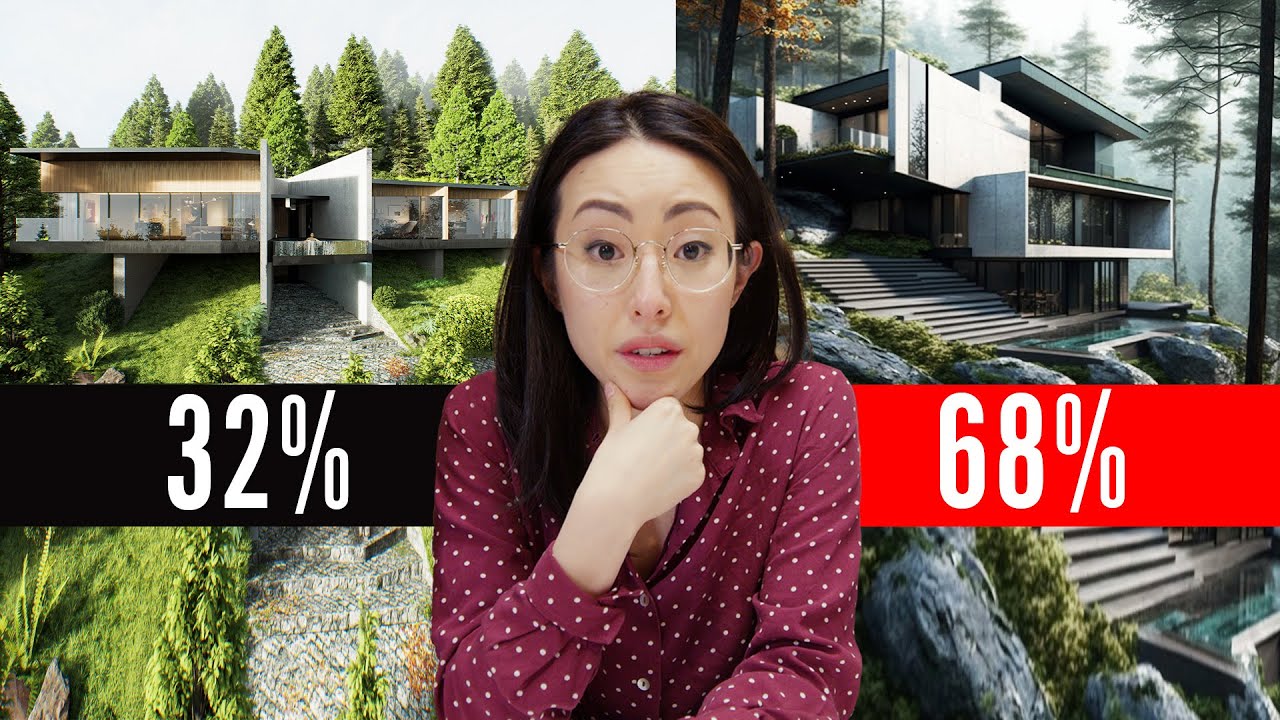
Most architects will adopt hybrid workflows that combine traditional design processes with AI tools. The specific balance will vary depending on project requirements, firm philosophy, and individual preferences. No single approach will dominate, reflecting the diversity of architectural practice itself.
AI as Collaborative Partner
As AI tools become more sophisticated, they will increasingly function as collaborative partners rather than merely productivity tools. Architects will engage in dialogue with AI systems, iterating on ideas and exploring design possibilities in ways that mirror human collaboration but with machine-like speed and analytical power.
New Professional Roles
The integration of AI will create new specialist roles within architecture firms. AI prompt engineers, data analysts, and algorithm trainers will work alongside traditional architectural staff, bringing diverse skills to the design process.
Ethical Frameworks
The architectural profession will develop clearer ethical frameworks for AI use, addressing issues of authorship, accountability, and quality control. These frameworks will help maintain professional standards while embracing technological progress.
Conclusion
The tension between old architectural practice and new AI technology is not a battle to be won by one side or the other. Instead, it represents a productive dynamic that can push the profession toward new possibilities. Traditional architecture brings human wisdom, cultural sensitivity, and creative vision—qualities that cannot be replicated by algorithms. AI brings computational power, analytical precision, and the ability to explore vast design spaces quickly.
The most successful architects of the future will likely be those who can navigate both worlds, understanding the value of traditional knowledge while embracing the capabilities of modern technology. They will recognize that AI is a powerful tool, but not a replacement for the human judgment, creativity, and ethical responsibility that lie at the heart of great architecture.
This integration offers the potential for buildings that are not only more efficient and sustainable but also more beautiful, meaningful, and responsive to human needs. By combining the best of old and new, architects can create a built environment that honors the past while embracing the future.